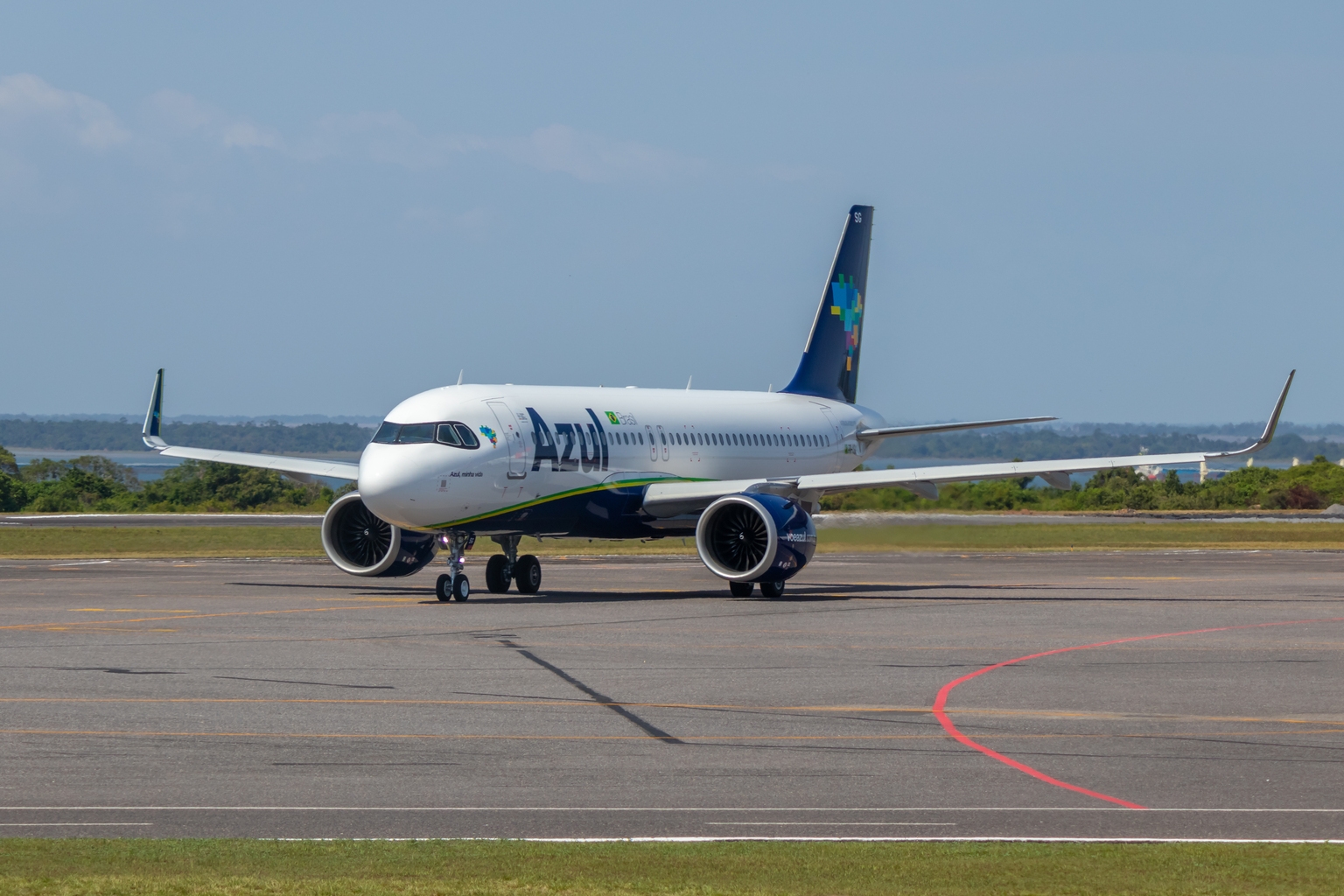
AZUL's emergence from Chapter 11 bankruptcy represents a significant corporate restructuring event rather than a broad market catalyst. The carrier has substantially reduced its debt burden through the reorganization process, which improves its balance sheet leverage and removes near-term default risk. This financial reset is foundational for medium-term viability but does not automatically translate to operational profitability or shareholder value creation.
The characterization as a "high-risk buy" reflects ongoing structural challenges in the Brazilian airline sector, including currency headwinds, competitive intensity, and fuel cost exposure. Debt reduction alone does not resolve AZUL's operating leverage or demand dynamics. Investors face asymmetric risk: significant downside if execution falters, but recovery optionality if the carrier achieves the stated profitability shift.
This bankruptcy exit has minimal correlation with broader equity market trends or macroeconomic signals. It is isolated to airline sector fundamentals and airline-specific capital structure dynamics. The news does not shift Fed policy expectations, employment data, or inflation narratives that typically drive S&P 500 correlations.
Sector implication: Industrials exposure is limited to AZUL's direct operating environment. Airlines remain cyclical and structurally challenged; this restructuring improves downside protection but does not alter secular headwinds in aviation. Relevant only for airline-specific or emerging-market equity portfolios.