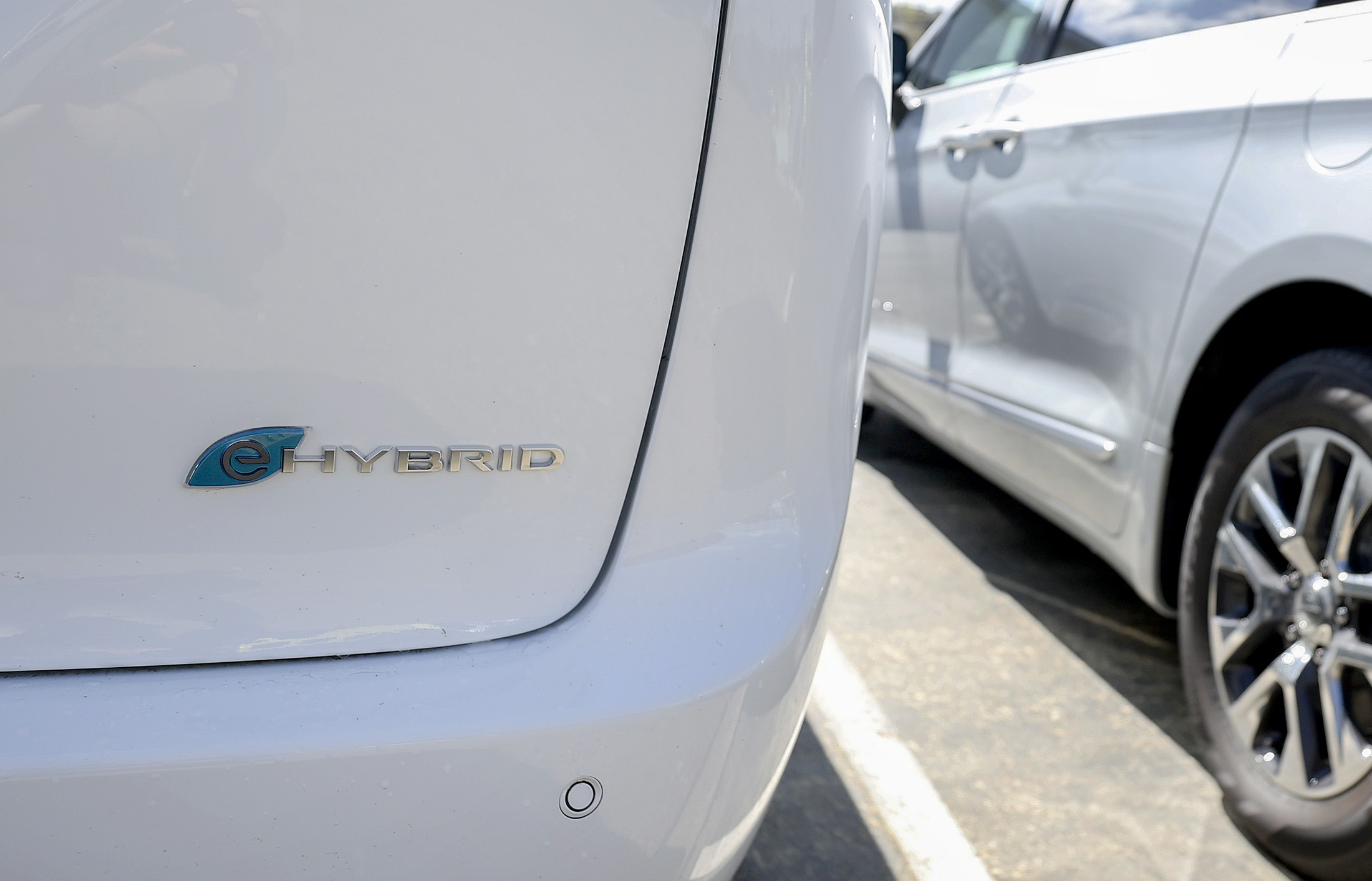
Market dynamics in the automotive sector are shifting materially as hybrid vehicles gain unexpected momentum even in traditionally EV-dominant regions like California. This development signals a meaningful reassessment of consumer preferences away from pure-electric platforms, directly challenging the EV-centric thesis that has underpinned valuations in the sector.
The trend reflects several underlying pressures: infrastructure constraints, charging anxiety, total-cost-of-ownership concerns, and potential range limitations remain significant friction points for mass-market adoption. Hybrid technology's resurgence indicates that consumer pragmatism is winning over early-adopter sentiment, forcing automakers to recalibrate product roadmaps and capital allocation toward dual powertrains rather than exclusive EV platforms.
Tesla and pure-play EV manufacturers face headwinds as traditional OEMs (Ford, Toyota, Honda) leverage their hybrid expertise to recapture market share. This competitive pressure may compress margins and slow EV penetration timelines, particularly in price-sensitive segments where hybrids offer superior total-cost-of-ownership. The California data point is significant because it signals mainstream normalization, not merely niche preference.
Sector implication: The automotive supply chain faces divergent dynamics—hybrid component suppliers may benefit while EV-specialized manufacturers face demand uncertainty. Consumer Cyclical weakness is tempered by industrial transition complexity, creating a mixed but slightly negative outlook for pure-EV equities.