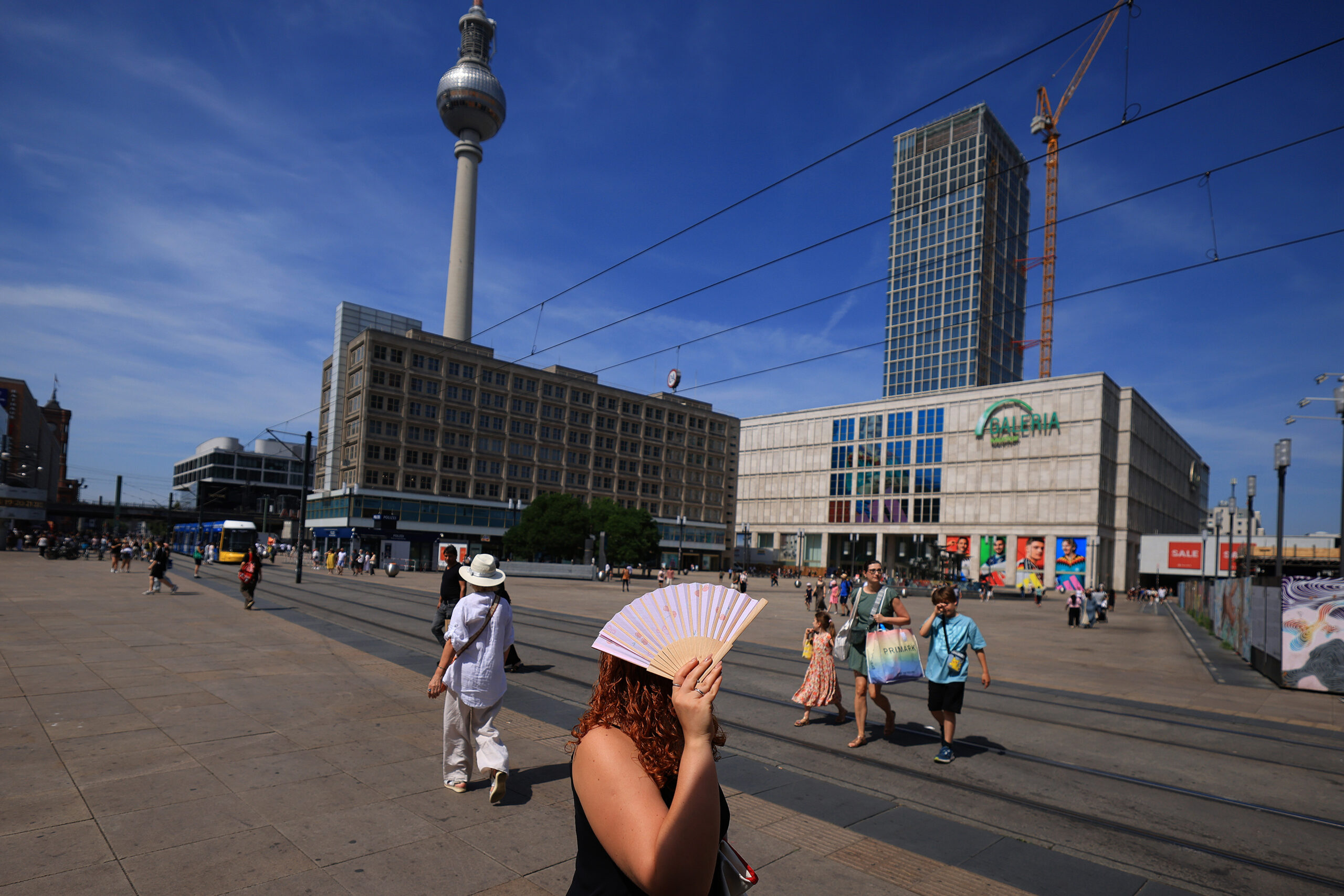
Europe faces an emerging economic headwind from accelerating climate volatility, with the continent warming faster than global averages and triggering cascading operational disruptions. This regional thermal stress translates into measurable GDP drag through energy constraints, agricultural yield compression, and infrastructure strain—dynamics that historically correlate inversely with broad equity market performance during cyclical downturns.
The climate shock differentially impacts utilities and industrial infrastructure operators across the EU, where aging power grids and water systems face simultaneous demand spikes and supply constraints. Insurance-linked securities like ALIZY and ALIZF face heightened loss frequency modeling, as catastrophic weather events become baseline rather than tail-risk scenarios. Insurers and reinsurers embedded in European exposure carry elevated claims reserves.
Macro implications include potential ECB policy divergence—thermal stress may constrain growth forecasts while inflation from supply-side shocks complicates rate-path normalization. Cross-sector profit margin compression emerges as input costs (energy, water) rise while pricing power remains constrained in competitive EU markets.
Sector implication: Defensive plays and renewable energy infrastructure may benefit from policy response, while cyclical industrials face headwind reassessment. Financial services pricing increasingly incorporates climate-adjusted risk premiums.