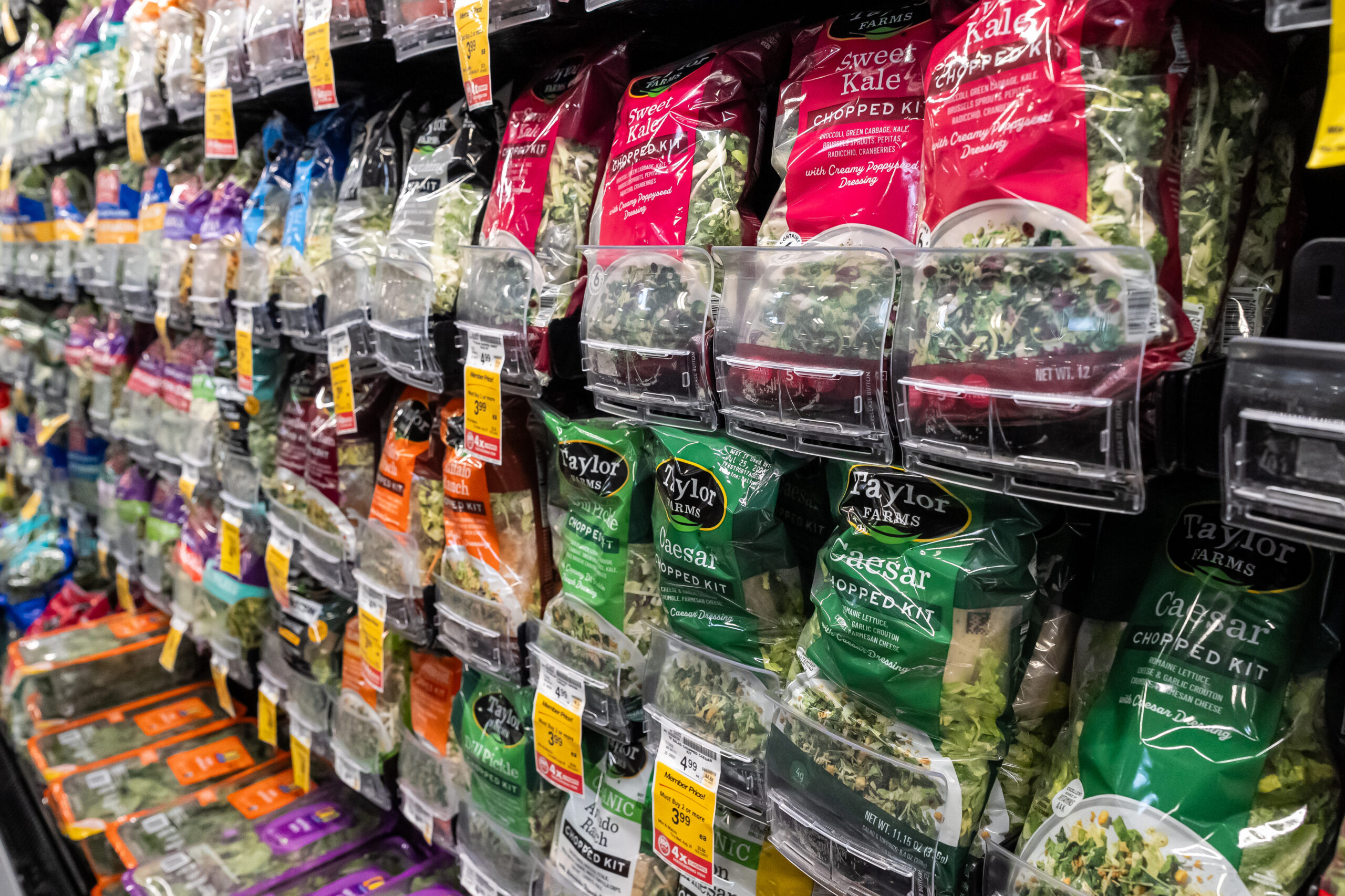
Taylor Farms faces reputational and operational pressure following a produce contamination incident linked to a parasitic outbreak. The company's delayed public response strategy, combined with FDA involvement and traced contamination, raises concerns about supply-chain risk management and crisis communication in the food sector. WMT and other major retailers stocking affected products face indirect inventory and trust implications.
The headline's framing—"slow-walked response"—suggests corporate governance and transparency questions that institutional investors monitor closely. FDA lab confirmation of product-pathogen linkage strengthens liability exposure for Taylor Farms and potentially for retail partners. This type of food safety event typically triggers short-term demand destruction in affected categories and heightened regulatory scrutiny across the supply chain.
Consumer Defensive exposure becomes negative near-term due to reduced fresh-produce confidence, though long-term secular demand remains intact. The incident underscores systemic vulnerabilities in produce traceability and rapid-response protocols that may drive operational cost inflation across the sector. Retailers may accelerate sourcing diversification to mitigate single-supplier concentration risk.
Sector implication: Food distribution and retail face elevated compliance and recall costs. Investor focus will track regulatory penalties, litigation outcomes, and whether competitors gain market share through differentiated food-safety messaging. This is a sector-wide governance and risk-management narrative, not an isolated operational event.