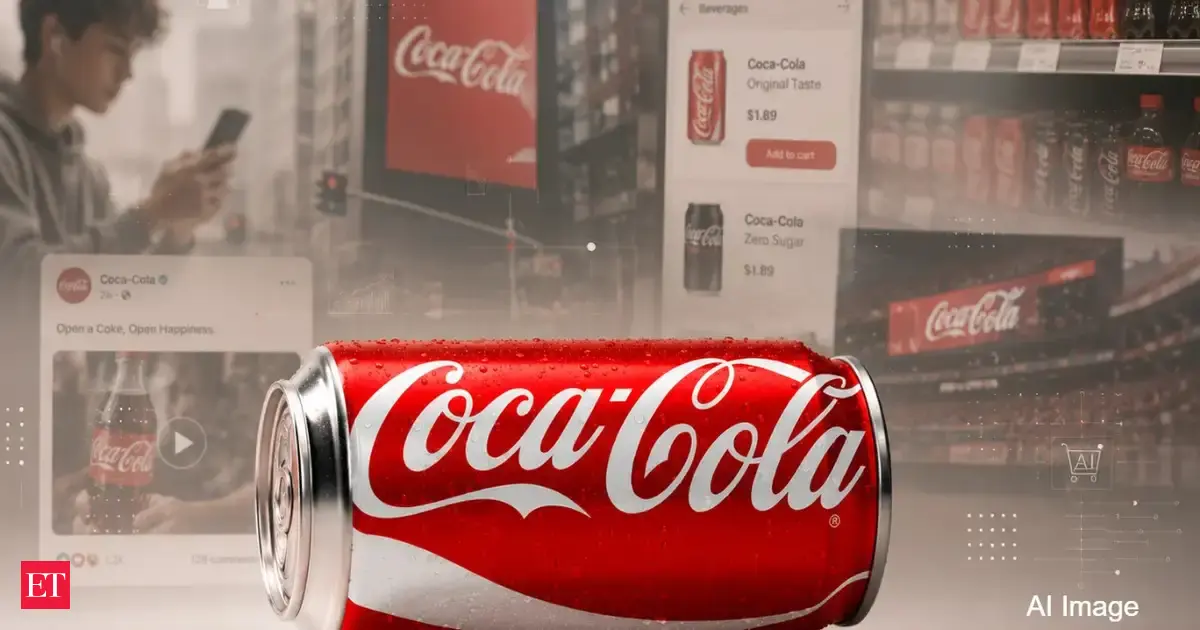
Coca-Cola's strategic brand refresh signals a deliberate shift toward pricing power preservation and portfolio modernization. Rather than a superficial visual update, the initiative addresses core vulnerabilities in an increasingly competitive beverage market where consumer fragmentation and margin compression pose structural threats. The company is leveraging brand equity as a moat against commoditization pressures.
The acceleration of Coca-Cola Zero Sugar within this refresh reflects shifting consumer preferences toward lower-sugar alternatives and the brand's recognition that traditional high-sugar products face long-term headwinds. This portfolio rebalancing allows the company to capture growth in higher-margin, health-conscious segments while maintaining legacy revenue streams—a critical balance for mature, dividend-dependent consumer staples.
Integration of AI-driven marketing and global brand consistency mechanisms demonstrates Coca-Cola's recognition that brand management in digital-first markets requires algorithmic precision and real-time personalization. This operational sophistication helps justify premium pricing in fragmented channels and improves marketing ROI as traditional mass-media economics deteriorate.
Sector implication: The move reinforces Consumer Defensive resilience by showing how legacy beverage players can defend margins through brand reinforcement and technology adoption rather than volume growth alone. However, execution risk remains material—brand refresh success is historically difficult to measure, and competing against smaller, agile beverage startups requires sustained innovation beyond identity updates.