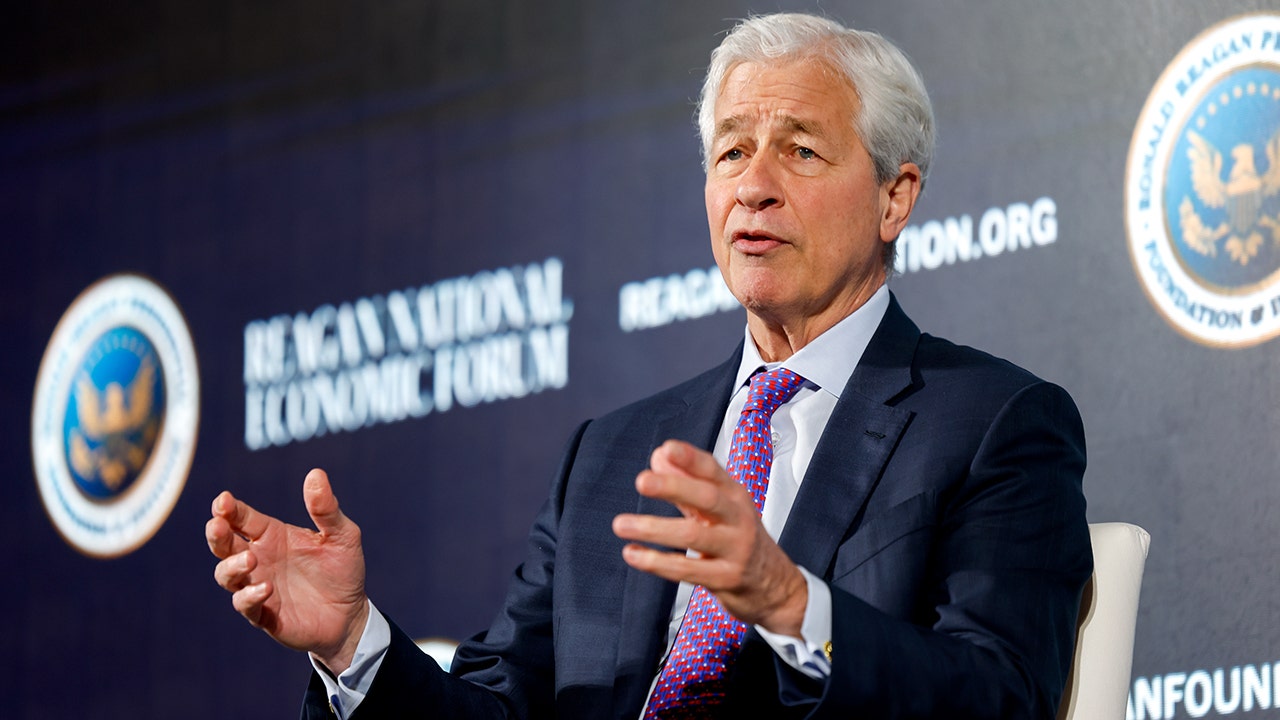
Jamie Dimon's public skepticism on equities and long-duration fixed income represents a significant headwind signal from one of Wall Street's most influential institutional voices. His articulation of macro concerns—geopolitical instability, structural budget deterioration, and persistent rate elevation—reflects deepening anxiety within the banking establishment about valuation resilience and forward guidance credibility.
The timing and specificity of this commentary matter substantially. When a JPM CEO publicly retreats from traditional buy-and-hold thesis, it often precedes portfolio rebalancing across institutional asset allocators who track his positioning. His implicit preference signal away from stocks and Treasurys simultaneously suggests elevated cash positioning or alternative asset classes, signaling defensive posturing ahead of potential volatility.
Geopolitical risk elevation, combined with budget deficit concerns and rate structure constraints, creates a triple headwind for risk assets. Treasury yield inversion and equity risk premium compression become less attractive under this framework, particularly for capital-constrained financial institutions managing deposit flows and regulatory capital ratios.
Sector implication: Financial Services faces margin pressure if rates persist elevated while lending demand softens. Technology, dependent on low-cost capital and multiple expansion, becomes vulnerable. Dimon's stance amplifies recession-adjacent positioning in equity and fixed-income derivative markets, likely accelerating hedging demand and potential defensive sector rotation.