Dollar Tree is closing stores, joins list of retailers adjusting their physical location footprint in 2026
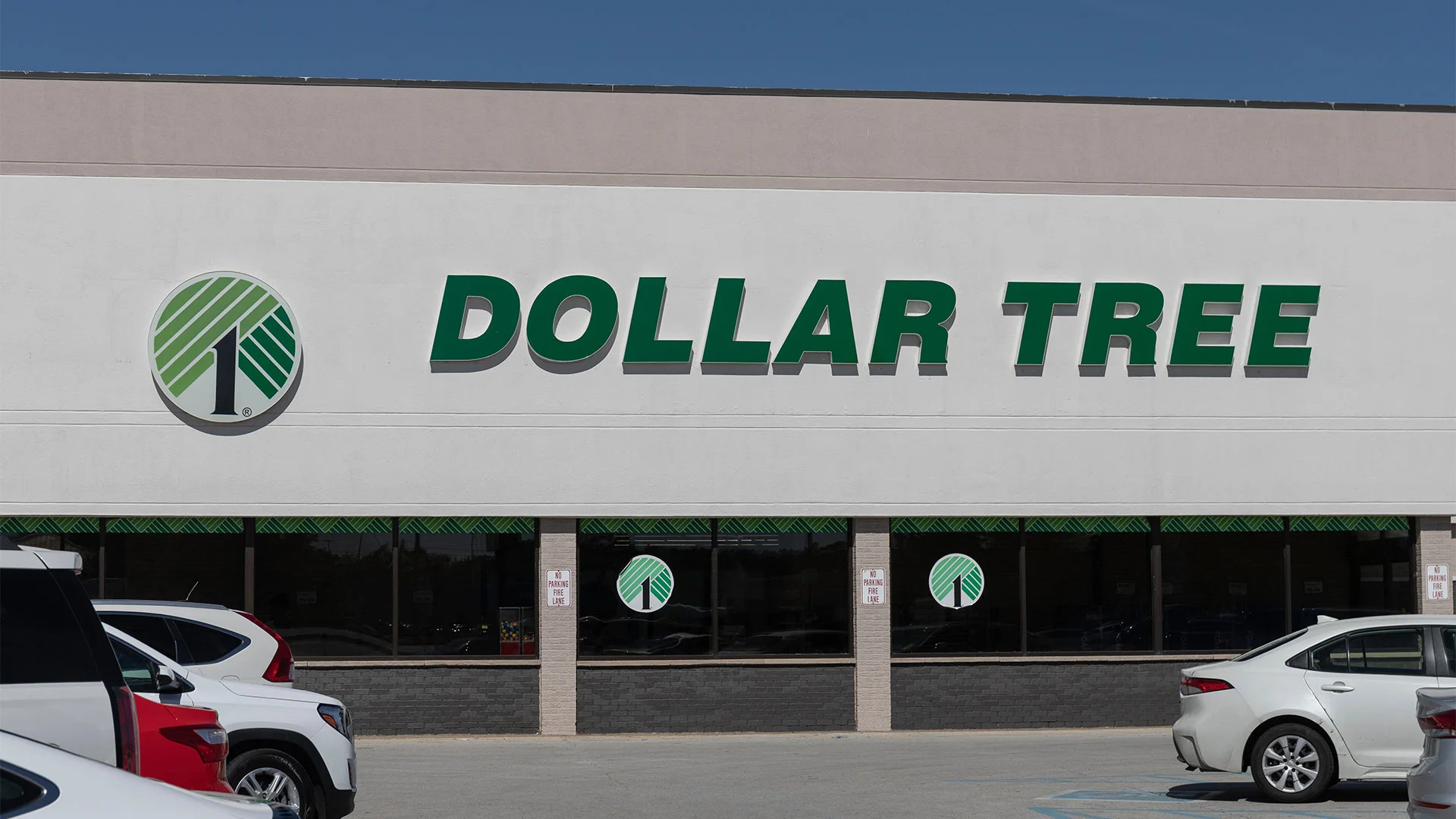
Dollar Tree's announced store closures represent a tactical recalibration rather than a strategic retreat. The company plans to offset net store closures with selective new openings, suggesting management confidence in site-level unit economics despite headwinds. This mixed footprint adjustment reflects the competitive pressure and margin dynamics facing discount retailers in 2026.
Store rationalization has become endemic across retail as chains reassess real estate productivity in a high-interest-rate environment. DLTR's move joins peers in culling underperforming locations while redeploying capital to higher-return markets. The net footprint expansion indicates management believes growth opportunities outweigh legacy store productivity concerns, though the closure component signals selective underperformance acknowledgment.
For discount retail, this pattern indicates operator caution on same-store productivity despite inflation-driven consumer migration toward value retail. Closure announcements often precede margin guidance revisions if store-level contribution rates have deteriorated faster than replacement economics warrant. Investors should monitor whether DLTR provides comparable-store sales trends and store-level unit economics alongside the footprint announcement.
Sector implication: Retail real estate rationalization is becoming a structural feature of the 2026 landscape. While discount positioning remains resilient, the selective closure pattern suggests value chains face granular execution challenges rather than secular tailwinds, warranting closer scrutiny of comparable-store growth and traffic metrics as indicators of sustainable demand.