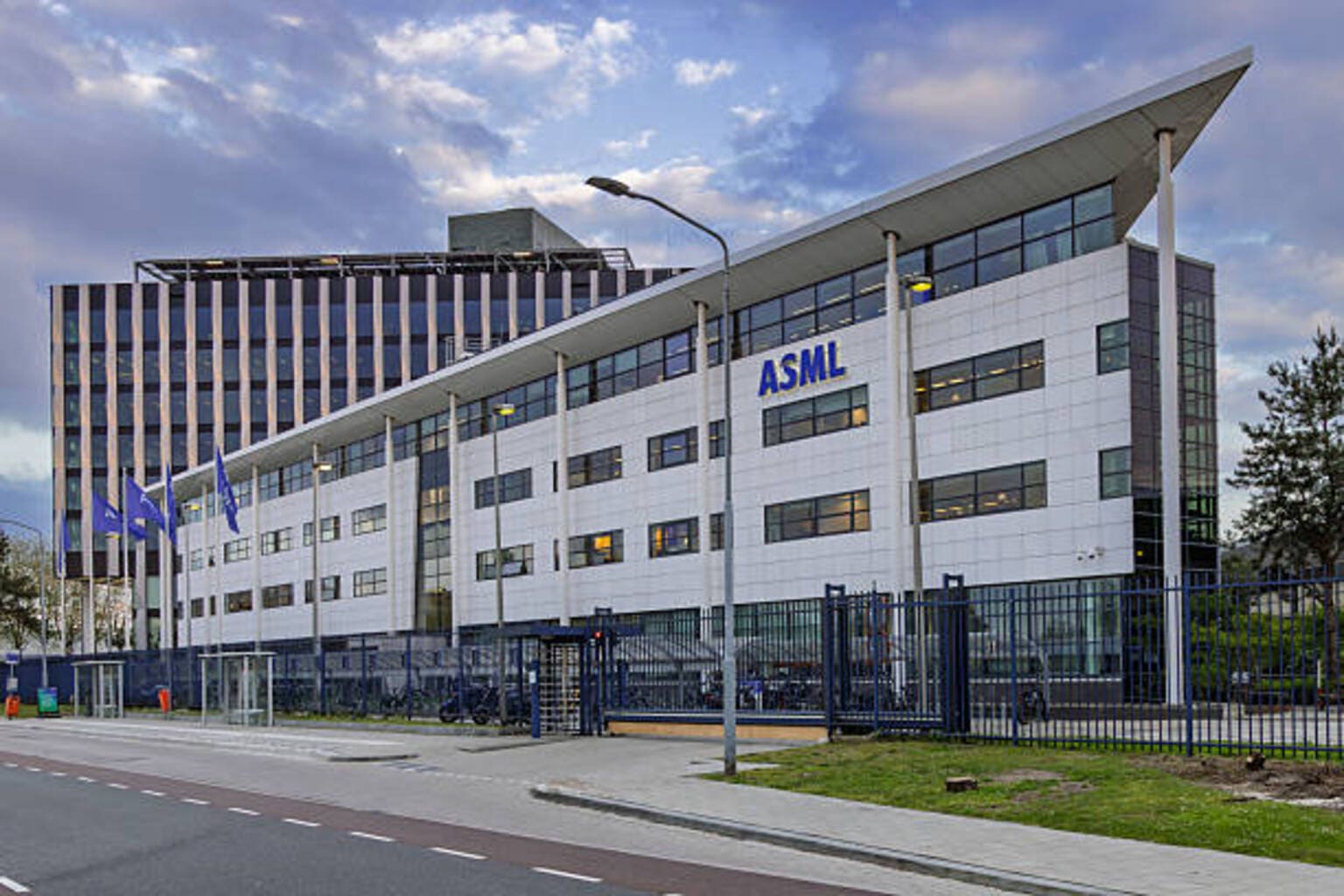
ASML's €13 billion memory capital allocation signals a structural shift rather than cyclical uptick in semiconductor equipment demand. The framing as a "ratchet" mechanism suggests the company views AI-driven memory requirements as a permanent step-change, not a temporary spike requiring inventory correction or demand normalization.
Q2 results coupled with raised 2026 guidance indicate management confidence in sustained EUV lithography adoption across memory fabs. This reflects accelerating AI chip buildouts by hyperscalers and DRAM/NAND producers racing to meet inference and training workload scaling. The 77% rally absorption suggests market has repriced ASML toward higher structural earnings power rather than speculative gain.
A ratchet framework implies reduced downside risk from typical semi-equipment cyclicality—customers are locked into capacity expansion timelines and cannot easily de-escalate capex without losing competitive positioning in AI compute infrastructure. This creates multi-year revenue visibility and margin stability for ASML as the quasi-monopoly EUV supplier.
Sector implication: The thesis validates technology infrastructure consolidation around AI enablement, with capital equipment vendors (semiconductor and data center) anchoring longer duration earnings visibility. Elevated ASML guidance confidence reflects end-customer (chip designers, hyperscalers) willingness to fund structural capex rather than delay projects, reducing recession hedging demand.