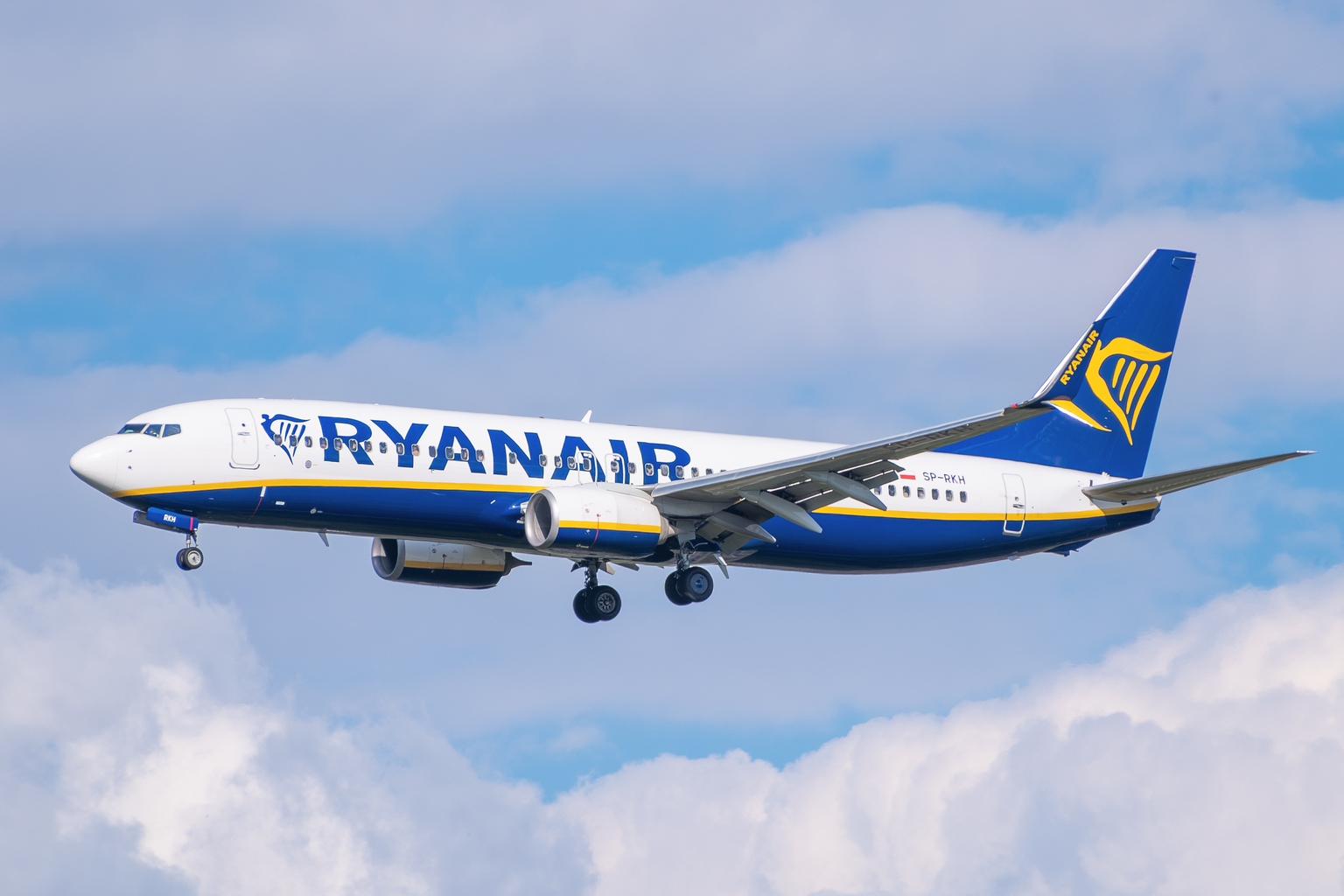
Ryanair (RYAAY) demonstrates operational resilience in Q1 despite cyclical airline headwinds, with management maintaining pricing discipline and cost control despite near-term margin pressure. The carrier's fundamental position remains underpinned by structural advantages in the European low-cost carrier segment, where competitive advantages persist despite temporary demand softness.
The €2.7bn net cash position represents a fortress balance sheet that provides substantial strategic flexibility. This fortress enables the company to execute shareholder returns—including buyback programs and capital incentives—while competitors face tighter liquidity constraints. This cash advantage translates into competitive optionality during industry cycles and potential M&A or capacity expansion opportunities.
Buyback activity and shareholder-focused capital allocation signal management confidence in intrinsic value despite near-term turbulence. These actions, combined with disciplined capacity growth and fleet modernization, position RYAAY to outperform peers when industry dynamics normalize. The balance sheet quality gap versus European rivals creates measurable competitive moat.
Sector implication: Airlines face near-term pricing pressure from fuel costs and demand seasonality, yet structural consolidation and capacity discipline in European aviation support longer-term margin recovery. Ryanair's financial strength relative to regional competitors suggests outperformance potential as the cycle improves, making it a relative value play within the Industrials sector's transportation subsegment.