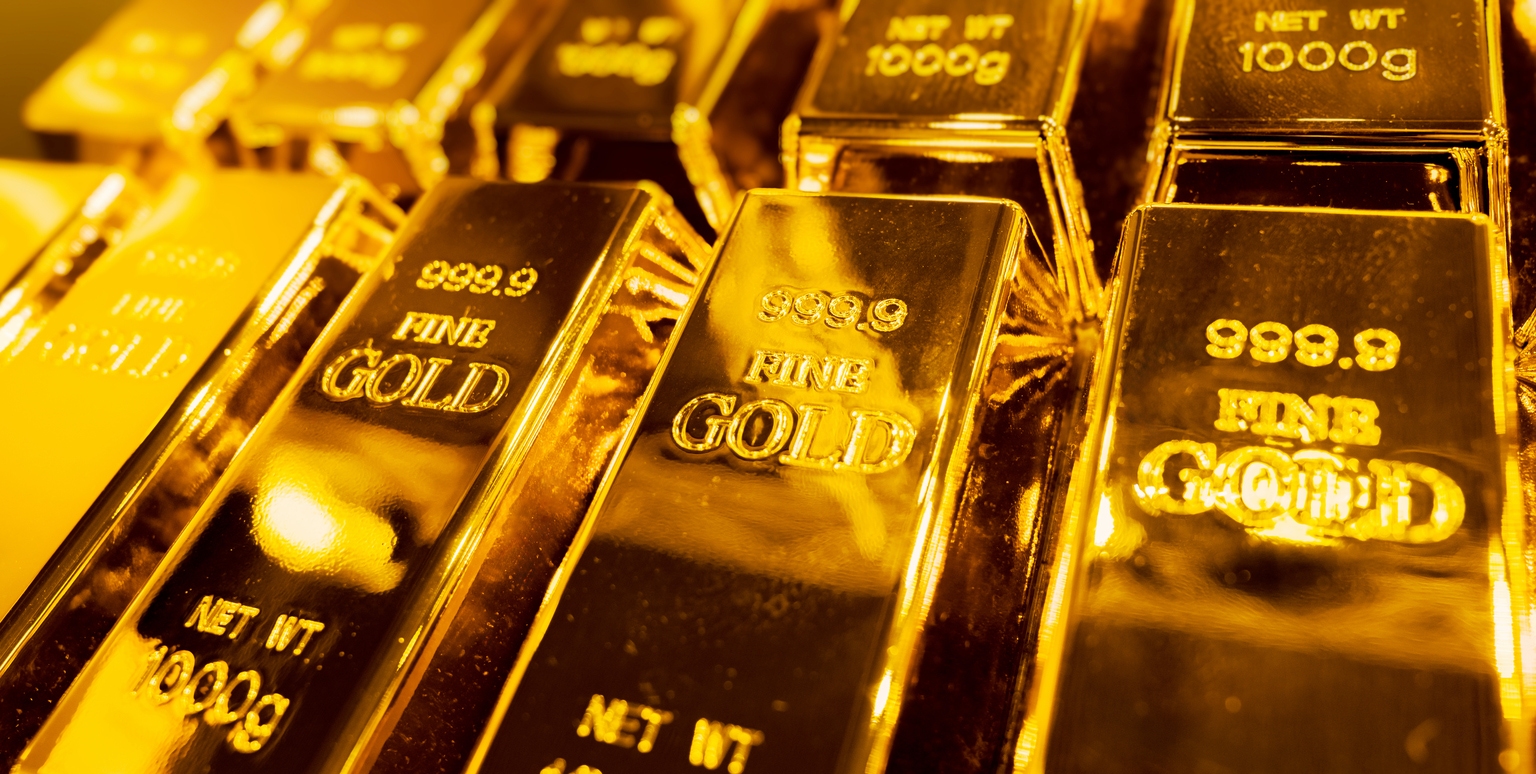
GLD has underperformed year-to-date as gold prices have retreated from elevated levels, creating a potential mean-reversion opportunity. The thesis centers on gold's historical role as an inflation hedge and safe-haven asset, suggesting that recent pullbacks may have overcorrected relative to forward-looking fundamentals.
Easing oil inflation signals are a key tailwind for the precious metals complex. When energy costs decelerate, central banks face reduced pressure to maintain restrictive monetary policy, which typically lowers the opportunity cost of holding non-yielding assets like gold. This dynamic could reignite institutional and retail demand for GLD and spot gold positions.
Upbeat analyst forecasts indicate renewed conviction in gold's medium-term trajectory, likely anchored to geopolitical uncertainty, currency volatility, and persistent long-duration real rates. The gap between current valuations and consensus price targets suggests asymmetric upside risk. However, execution risks remain: stronger-than-expected labor data or hawkish Fed rhetoric could extend the consolidation phase.
Sector implication: Gold rebound would support basic materials and leverage precious metals' negative correlation with equities during growth slowdowns. Watch for correlation breakdown if equities and gold rally in tandem, signaling inflation expectations or currency weakness rather than recession fears.