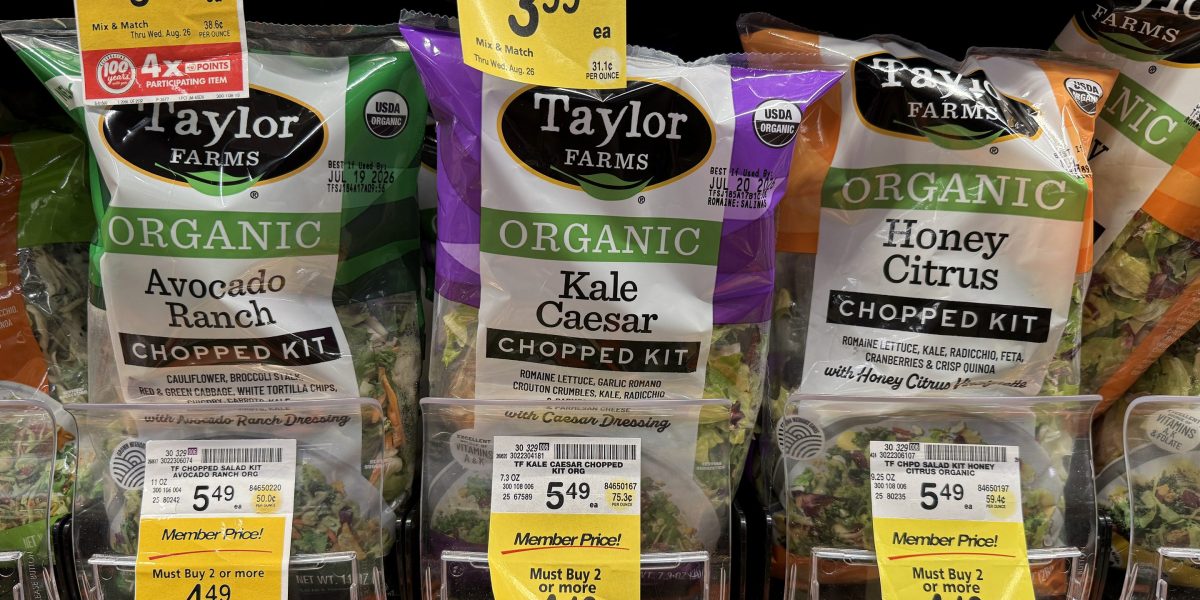
The FDA's withdrawal of a positive cyclospora test linked to Taylor Farms lettuce introduces regulatory uncertainty into an ongoing food safety crisis. This reversal suggests either laboratory error or insufficient evidentiary standards, undermining confidence in outbreak attribution methods and complicating both supplier accountability and consumer risk assessment during the recall period.
For food service operators like YUM and regional suppliers dependent on lettuce sourcing, the continued recall creates operational friction and reputational risk regardless of definitive contamination confirmation. The absence of clear scientific attribution prolongs supply chain disruption and forces prolonged sourcing alternatives, elevating procurement costs in the near term.
The regulatory posture shift signals potential gaps in FDA testing protocols or communication standards, which could trigger procedural reviews that delay future outbreak resolutions. This ambiguity may prompt large institutional food buyers to implement more stringent supplier vetting and reduce single-source lettuce exposure temporarily.
Sector implication: Consumer Defensive and food distribution sectors face near-term margin pressure from elevated logistics costs and defensive inventory management, while the regulatory credibility question poses longer-term reputational costs for commodity agriculture and food safety oversight frameworks.