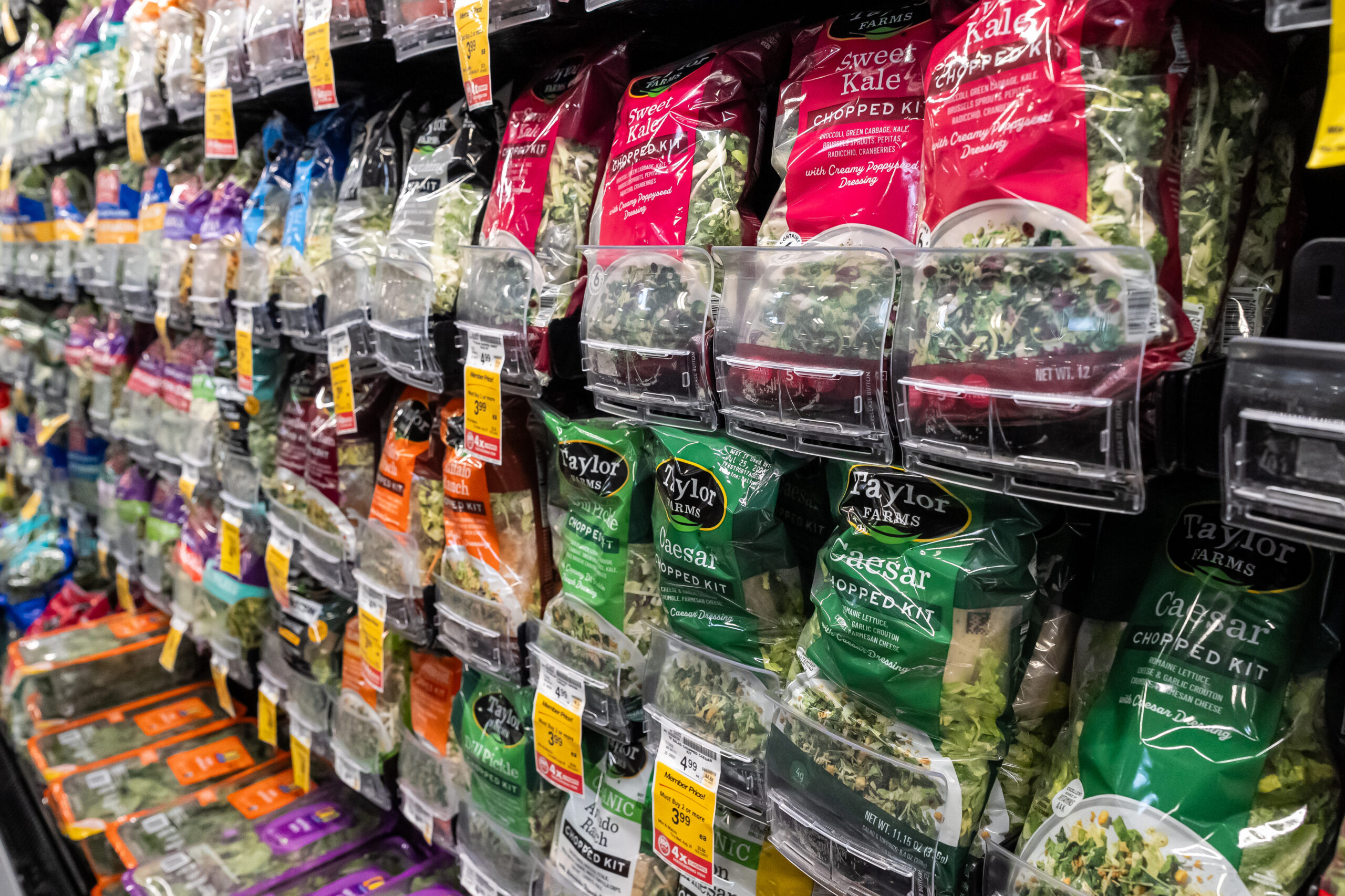
The FDA's retraction of a positive cyclospora test associated with Taylor Farms lettuce represents a reduction in regulatory pressure on fresh produce suppliers and their retail partners. The withdrawal suggests the initial lab finding may have been a false positive or methodologically flawed, removing a key piece of evidence linking the outbreak to a specific producer. This outcome favors WMT and other major grocers who faced reputational risk from the contamination claim.
The reversal is operationally meaningful for supply-chain participants in the fresh produce ecosystem. Retailers had faced potential liability exposure and inventory disruption; the FDA's step-back de-risks near-term sales and logistics complications for chains distributing Taylor Farms products. Consumer confidence in lettuce sourcing may stabilize faster than feared, limiting prolonged category softness.
However, the headline does not fully resolve the outbreak itself—cyclospora cases persist, indicating other contamination vectors remain under investigation. This partial exoneration prevents full sector clarity but stops active blame assignment from festering, which would have amplified media scrutiny and retailer caution.
Sector implication: Consumer Defensive retail absorbs minor positive momentum on reduced food-safety headline risk, while the food distribution and fresh-produce supply base experiences technical relief. The impact is corrective rather than transformative; risk remains priced into diversified grocery operators.