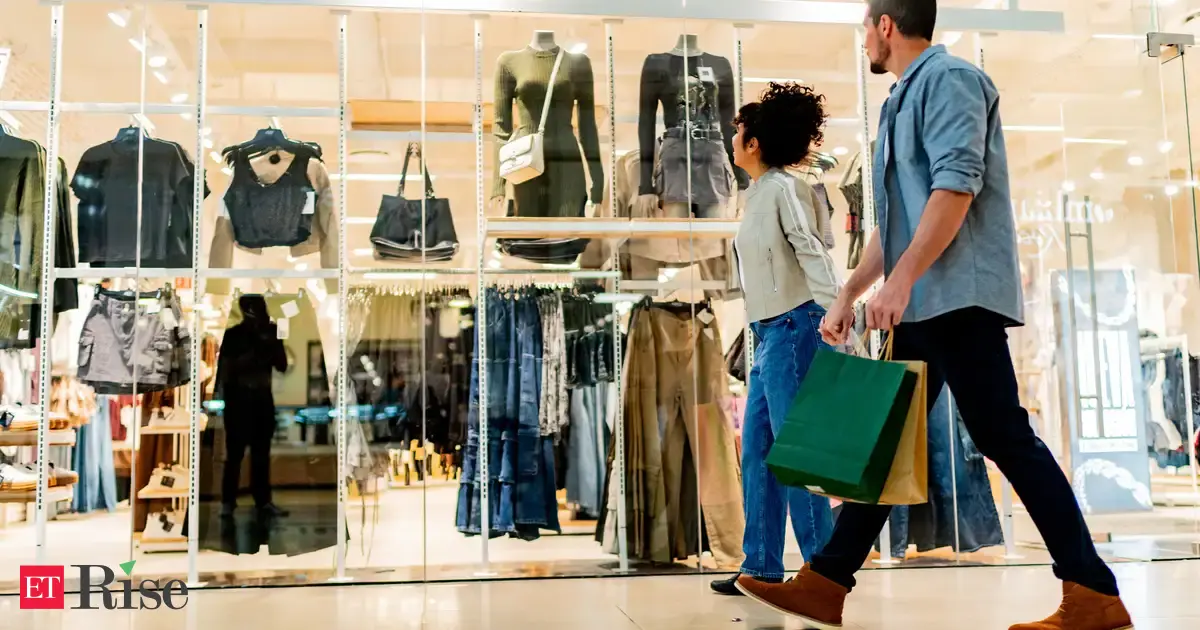
The article draws parallels between potential supply chain disruptions stemming from geopolitical tensions in the Strait of Hormuz and historical panic-buying episodes like the pandemic toilet-paper shortage. Fast fashion retailers face exposure to maritime trade routes critical for inventory replenishment, and any perceived supply constraint could trigger consumer hoarding behavior independent of fundamental supply reductions.
The mechanism mirrors previous inflationary episodes where anticipatory purchasing exacerbates shortages and pressures logistics networks. Fast fashion operators like CROX and other apparel suppliers depend on just-in-time inventory systems; geopolitical friction in a key chokepoint creates margin pressure through elevated shipping costs and potential inventory stockouts if demand accelerates ahead of supply.
Unlike energy markets, which respond directly to Hormuz disruptions, consumer discretionary apparel companies face a secondary shock: higher input costs and potential demand volatility. The article suggests market psychology may override underlying fundamentals, with retail panic-buying creating artificial scarcity dynamics rather than real supply loss.
Sector implication: Consumer Cyclical and Industrials face headwinds from supply-chain anxiety and potential logistics cost inflation. Geopolitical risk premiums in shipping may persist, benefiting defensive rotation away from fast-fashion cyclicals.