Ginsburg and Biden’s blind spot: when leaders don’t know when to leave
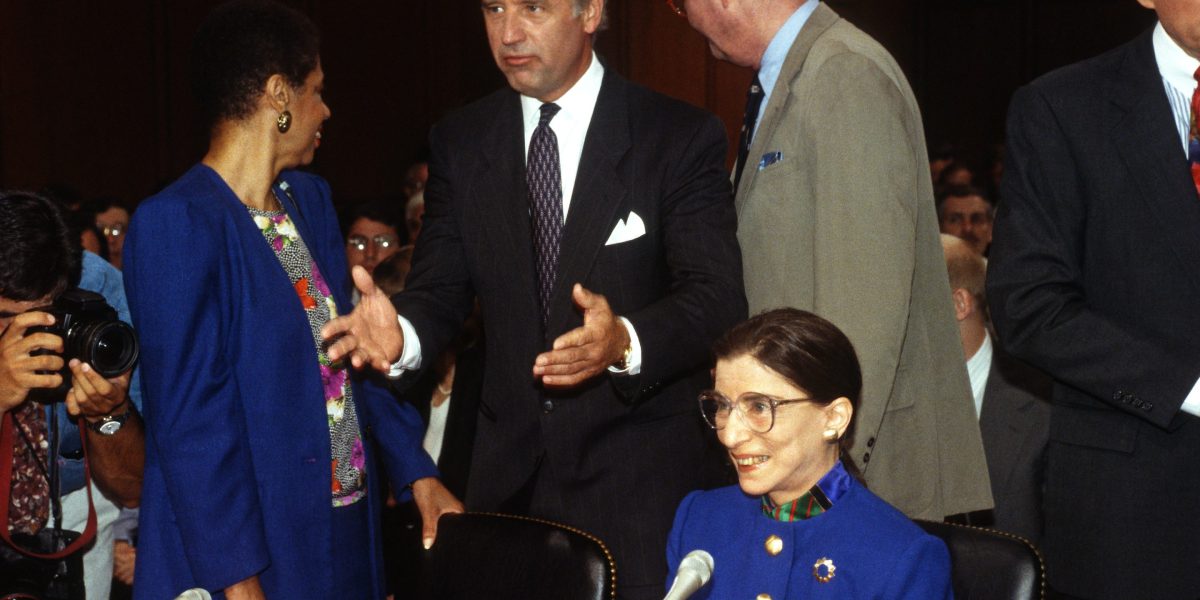
This article examines the historical pattern of political leaders overstaying their tenure, contrasting George Washington's voluntary exit from power with the decisions of Justice Ruth Bader Ginsburg and President Joe Biden to remain in their respective roles despite advancing age. The piece frames succession planning as a governance question rather than a market-relevant event, drawing parallels between institutional leadership transitions and broader themes of institutional decline when succession timing fails.
The analysis suggests that leadership continuity and planned succession matter to institutional stability, though the article focuses on political rather than corporate governance. Washington's precedent of voluntary departure established an early American norm that subsequent leaders either honored or violated, creating ripple effects on institutional confidence and perceived legitimacy. The implicit tension between individual ambition and institutional health underpins the narrative.
From a market perspective, political stability and confidence in institutional governance can influence broader economic sentiment and risk pricing, though this piece does not address direct corporate or sectoral impacts. The article remains primarily commentary on political culture and historical leadership patterns rather than an analysis of measurable market catalysts or economic policy shifts.
Sector implication: No direct sector exposure identified. The article lacks financial or economic data relevant to equity valuations, interest rate expectations, or corporate earnings forecasts. Its relevance to markets is indirect, primarily through institutional confidence themes rather than quantifiable catalysts.