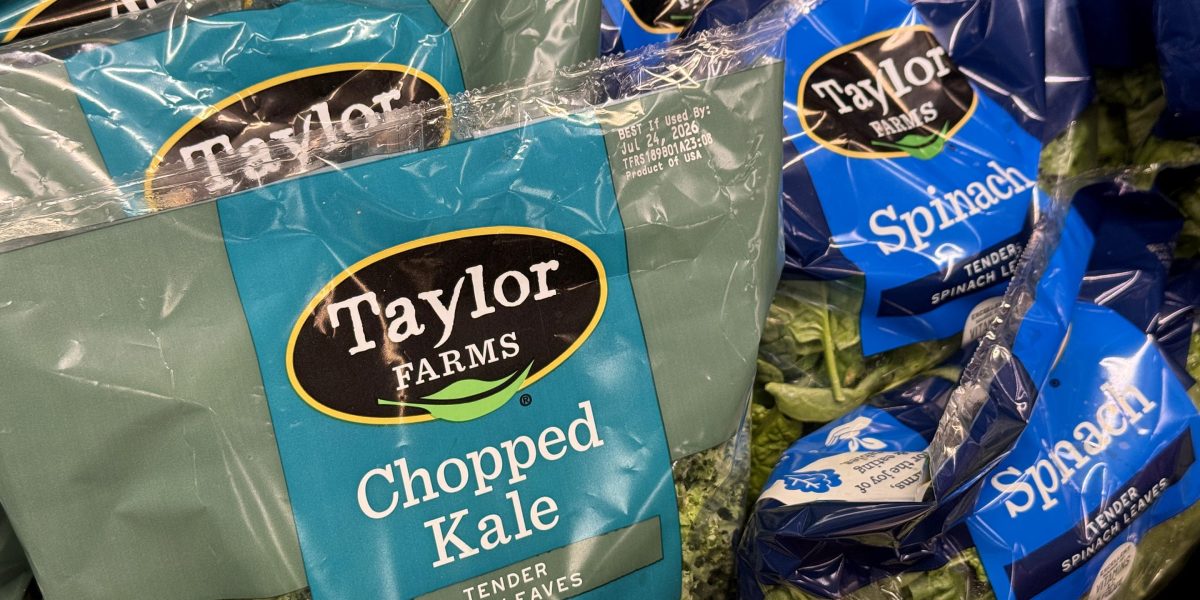
Walmart initiated a precautionary removal of four Taylor Farms salad products sold under its Marketside private label across select store locations. The action reflects standard supply-chain risk management in the food retail sector, where contamination recalls—even unconfirmed—trigger swift inventory pulls to protect consumer trust and limit regulatory exposure.
The retailer explicitly noted no confirmed illnesses to date, indicating this is a containment measure rather than response to an active health crisis. This distinction matters for brand reputation: proactive recalls signal operational diligence, whereas reactive responses to documented harm typically trigger sharper equity penalties. WMT's consumer-defensive positioning provides some insulation from broader market volatility.
Private label products like Marketside carry lower margin impact than national brands, since retailers maintain greater pricing and supply flexibility. The recall scope appears geographically limited (select locations), reducing system-wide disruption and inventory write-down severity. Taylor Farms operates independently; liability primarily attaches to the supplier, not Walmart's core operations.
Sector implication: Food retail and consumer staples remain defensive segments during volatility, but product safety events introduce operational friction. The absence of confirmed illnesses and Walmart's scale mitigate downside risk. This is a compliance event, not a demand or earnings catalyst.