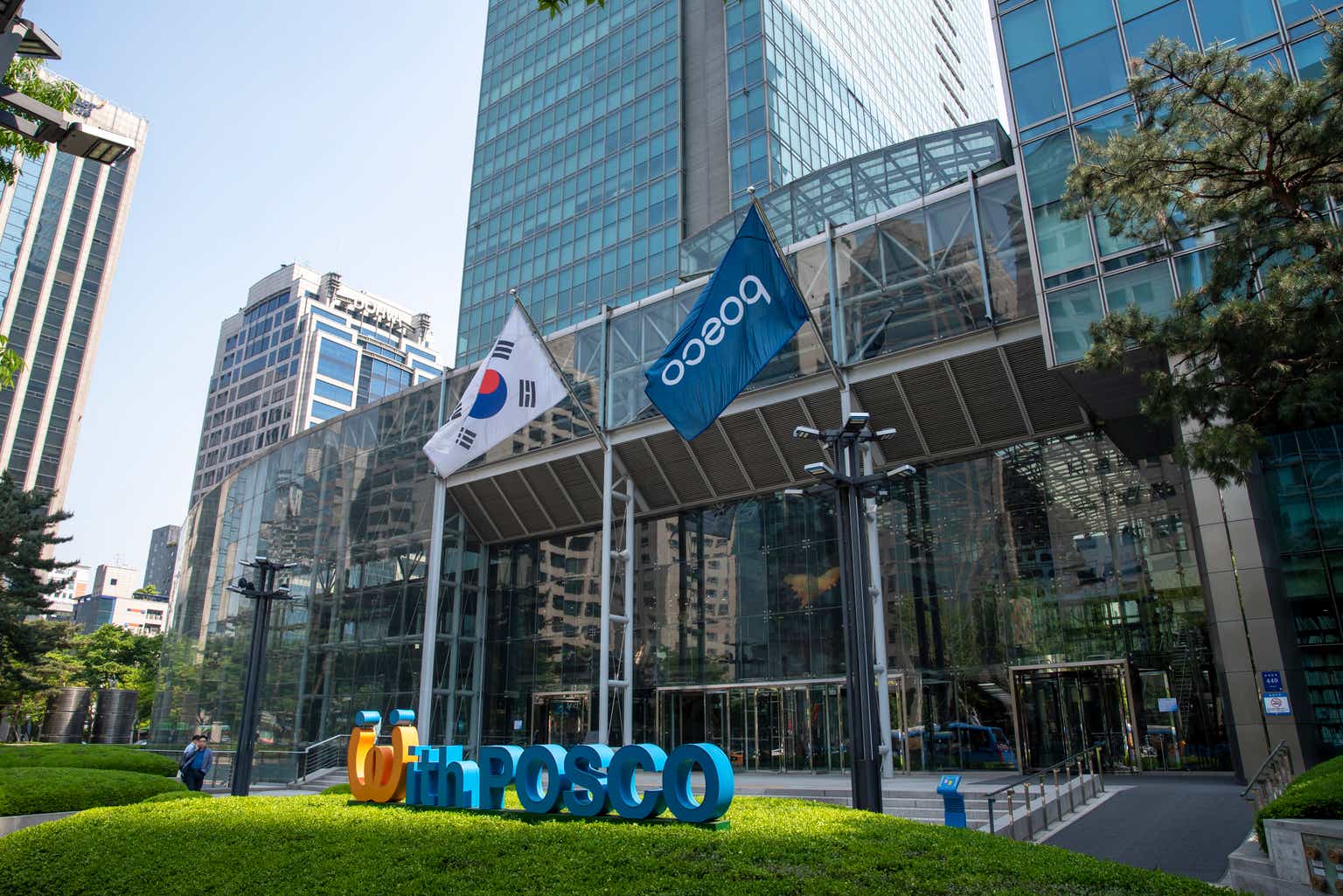
POSCO Holdings (PKX) operates under a structural valuation handicap stemming from its conglomerate holding company architecture. The company's equity stakes in Korea-listed subsidiaries create a discount mechanism that systematically depresses the parent's trading multiple relative to underlying asset value, a phenomenon well-documented in emerging-market holding structures.
The investor event appears to have addressed this valuation gap through enhanced transparency or portfolio restructuring commentary. Management presentations focused on holding company discount remediation often signal intent to unlock shareholder value through subsidiary spin-offs, dividend optimization, or capital reallocation strategies. Such initiatives can compress the discount over time, creating a structural arbitrage opportunity for equity investors.
Materials sector exposure is substantial given PKX's core steel and non-ferrous operations. Positive commentary on subsidiary performance or asset optimization should theoretically translate to margin expansion and operational efficiency gains. The timing matters: if emerging markets stabilize and commodity pricing remains resilient, conglomerate restructuring narratives tend to outperform.
Sector implication: This represents classic discount-closure play within industrials and materials. Success depends on management execution and regional macroeconomic stability, not broad equity market correlation. The holding company discount is a persistent inefficiency that institutional investors can systematically exploit when conviction on underlying assets and restructuring credibility align.