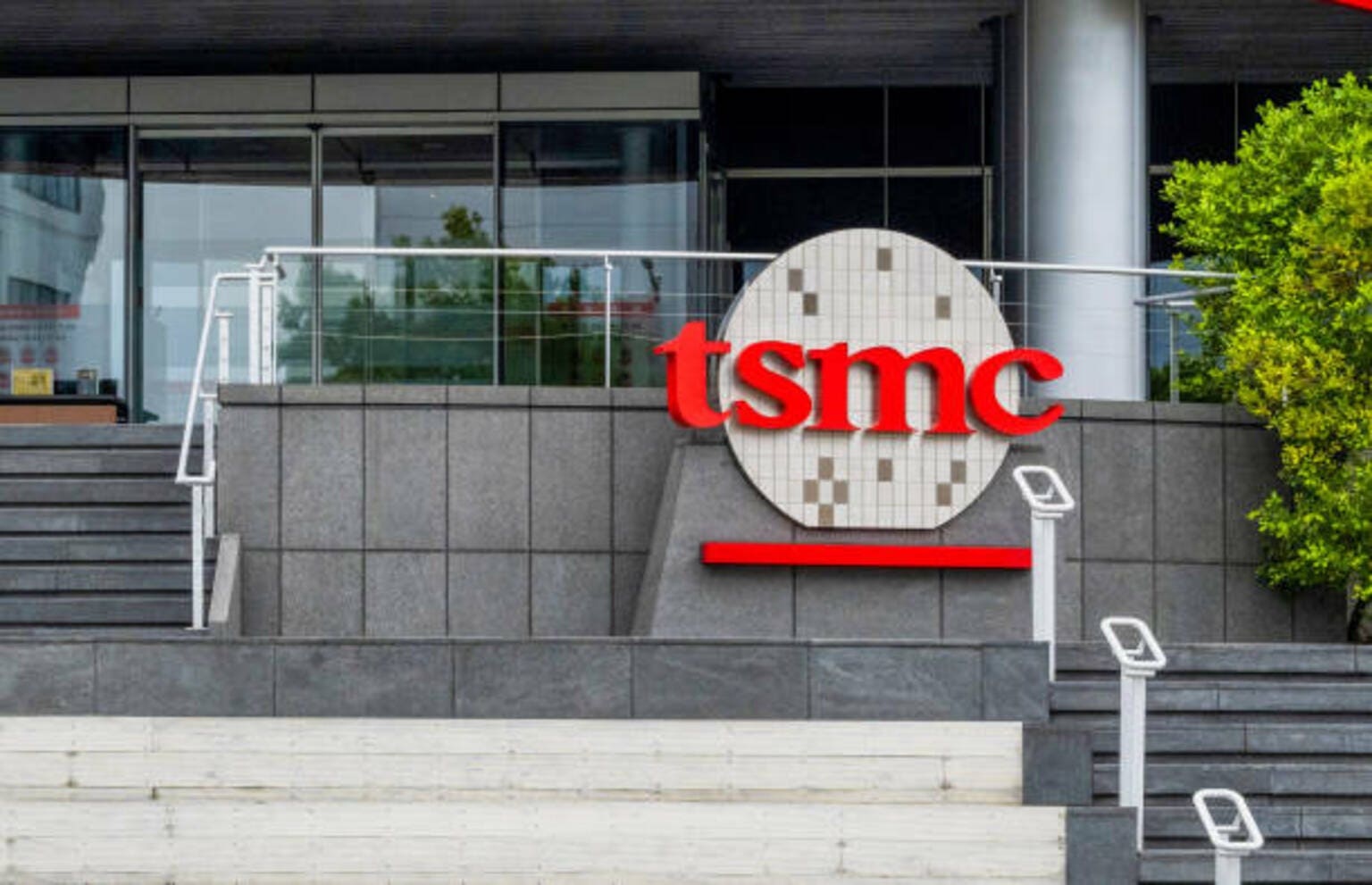
TSMC's $100 billion capital commitment to U.S. chip manufacturing represents a structural shift in semiconductor supply-chain localization. This investment extends the company's existing Arizona footprint and signals continued confidence in the durability of U.S. incentive frameworks, despite geopolitical uncertainty and elevated capital intensity in foundry operations.
The capital deployment underscores pricing power in advanced node production and reflects demand expectations from AI infrastructure buildout. For semiconductor equipment suppliers and materials vendors, this commitment materializes into multi-year order flow and margin expansion, with secondary benefits accruing to logistics and real estate operators near fabrication hubs.
Uber's expansion in global food delivery indicates competitive repositioning in a maturing but still-growing vertical. This growth vector provides revenue diversification beyond ride-sharing, though delivery unit economics remain margin-constrained. United Airlines' middle-seat initiative represents tactical product differentiation in a commodity-like competitive environment with limited pricing upside.
Sector implication: Technology and Industrials benefit from semiconductor capex cycles and supply-chain reshoring trends. Consumer Cyclical (food delivery) faces persistent margin pressure. Communication services show modest operational optimization but lack transformational catalysts. Broad market correlation remains moderate due to balanced exposure across growth and defensive themes.