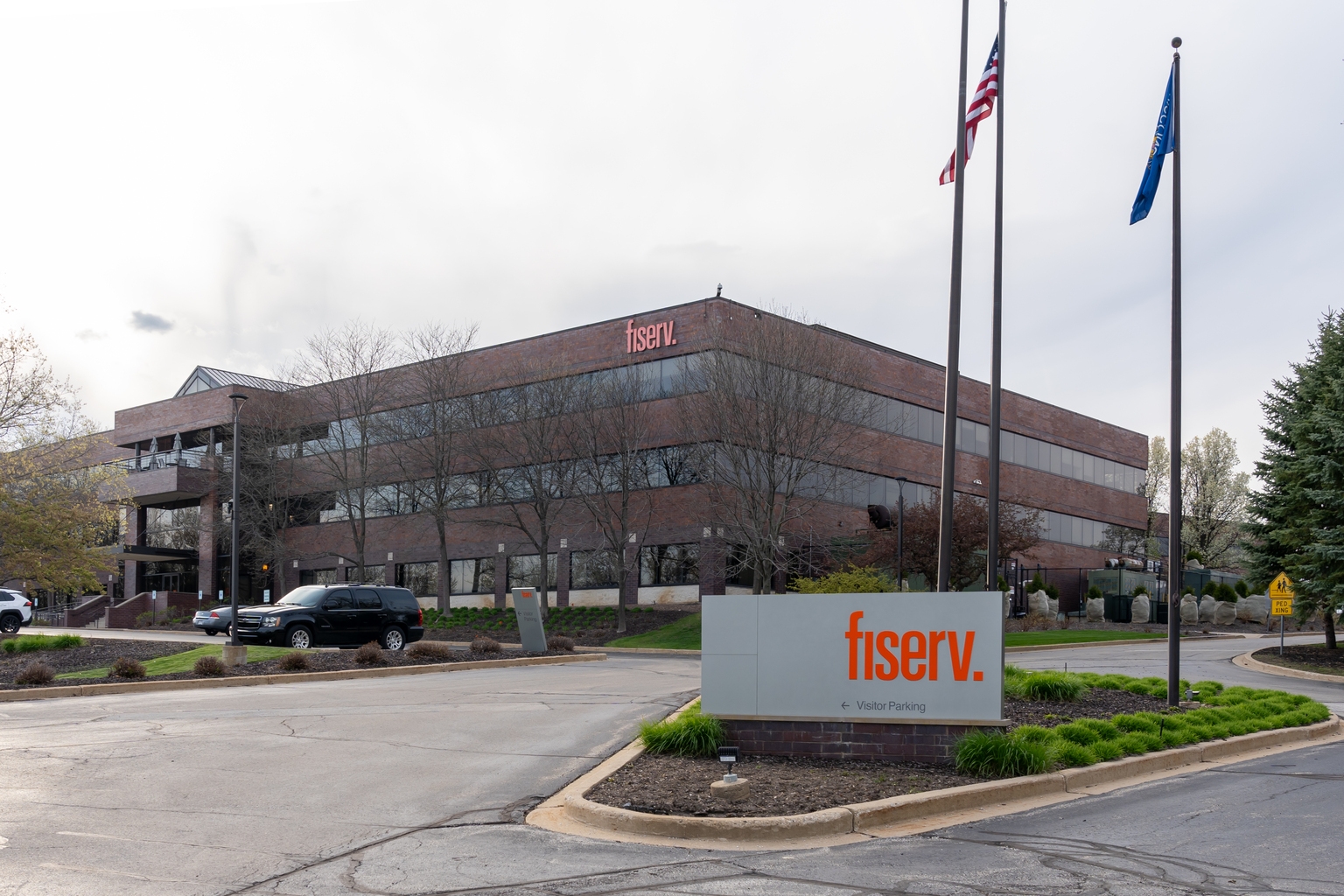
Fiserv (FISV) presents a classic value trap scenario, where depressed multiples mask underlying operational and balance sheet deterioration. The company's valuation discount reflects genuine concerns rather than market overshooting, with elevated leverage constraining financial flexibility during a period of operational challenges.
The debt burden is material enough to merit scrutiny from credit-conscious investors. Elevated leverage ratios limit management's ability to invest in strategic initiatives or weather near-term margin pressures, potentially prolonging the operational struggles currently plaguing the franchise. This structural constraint is particularly concerning in a Financial Services environment where technology investment remains critical for competitive positioning.
The attractiveness of the valuation must be weighed against the risk that current operational metrics deteriorate further before stabilizing. A confluence of balance sheet stress and execution headwinds creates downside asymmetry, suggesting the market's skepticism may be warranted rather than irrational. Recovery scenarios depend heavily on demonstrable margin expansion and debt reduction.
Sector implication: Financial Services processors face ongoing pressure from competitive dynamics and digital transformation costs. FISV's situation exemplifies how even established infrastructure players must navigate both structural change and financial constraints simultaneously, a dual burden not fully priced into sector multiples.