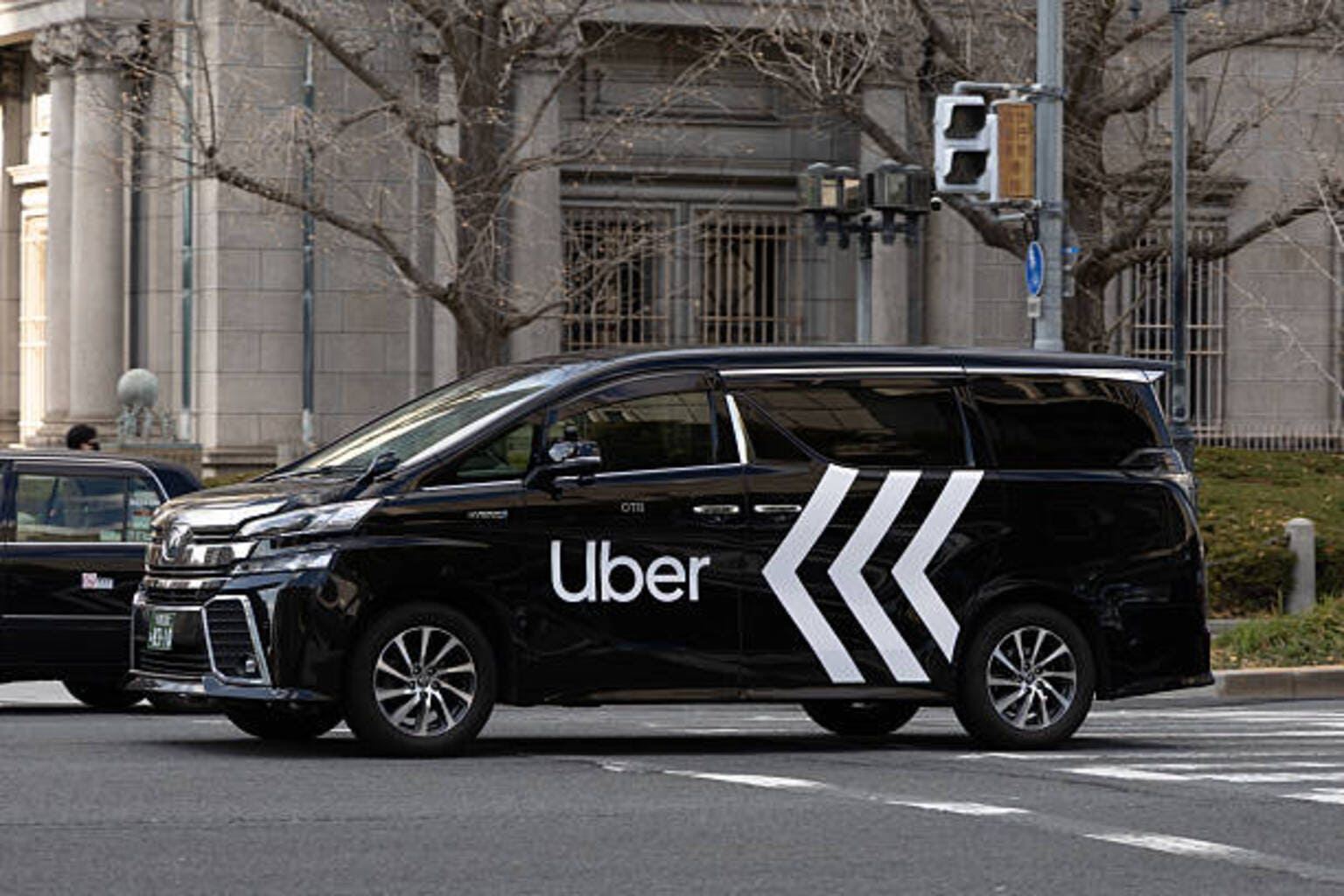
Uber's fundamental positioning demonstrates a structural advantage in ride-hailing and delivery markets regardless of autonomous vehicle adoption timelines. The company's platform economics remain resilient because Uber captures transaction value across vehicle ownership models—whether third-party drivers, rental fleets, or eventually autonomous units—creating multiple margin expansion vectors.
Q1 2026 guidance coupled with 50M+ Uber One subscription users reflects successful ecosystem bundling and improved unit economics. Rising free cash flow signals the marketplace has matured past growth-at-all-costs dynamics, suggesting operational leverage is now materializing. The P/E multiple compression relative to growth rates creates a relative valuation argument for cyclical recovery.
Membership penetration (Uber One) represents a sticky revenue stream and customer lock-in mechanism that insulates the core ride business from competitive pressure. Cross-sell dynamics between rides, eats, and delivery create network effects that are difficult for competitors to replicate at scale.
Sector implication: This narrative supports a broader theme of consumer discretionary strength contingent on macro resilience. Uber's thesis relies on sustained consumer spending and employment stability; macro deterioration would pressure utilization rates and loyalty program retention, making this a leveraged play on consumer health rather than a defensive position.