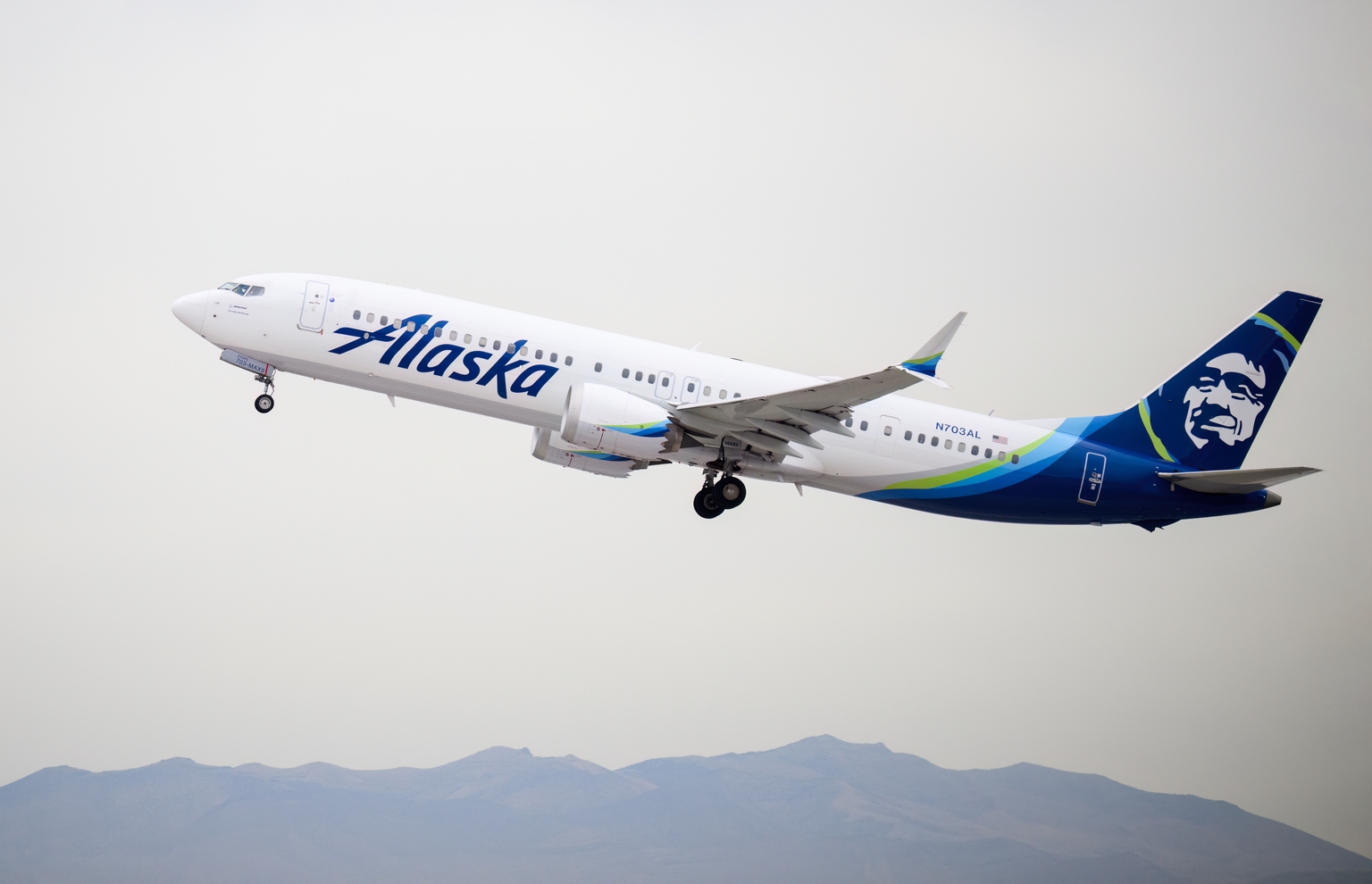
Alaska Air (ALK) faces a classic operational-versus-financial valuation disconnect following its Hawaiian Airlines merger. While the combination creates meaningful network synergies and loyalty program consolidation benefits, these structural improvements are offset by integration costs and persistent leverage constraints that limit near-term shareholder returns.
The core tension lies in free cash flow generation. Despite operational upside from expanded route density and customer retention gains, ALK remains capital-intensive with elevated debt servicing obligations. This structural headwind prevents the company from converting operational wins into tangible dividend or buyback capacity, keeping the stock in a holding pattern despite business improvement.
The rating reflects a reasonable long-term thesis undermined by timing and balance-sheet reality. Investors see the merger's strategic merit—broader geographic footprint, reduced regional duplication—but recognize that FCF recovery will be gradual and multi-year, with near-term earnings leverage constrained by integration expenses.
Sector implication: The airline sector remains cyclical and leverage-sensitive. Operational improvements alone cannot overcome macro sensitivity to fuel prices, demand shocks, and capital intensity without significant deleveraging, making selective positioning appropriate until balance-sheet metrics improve materially.