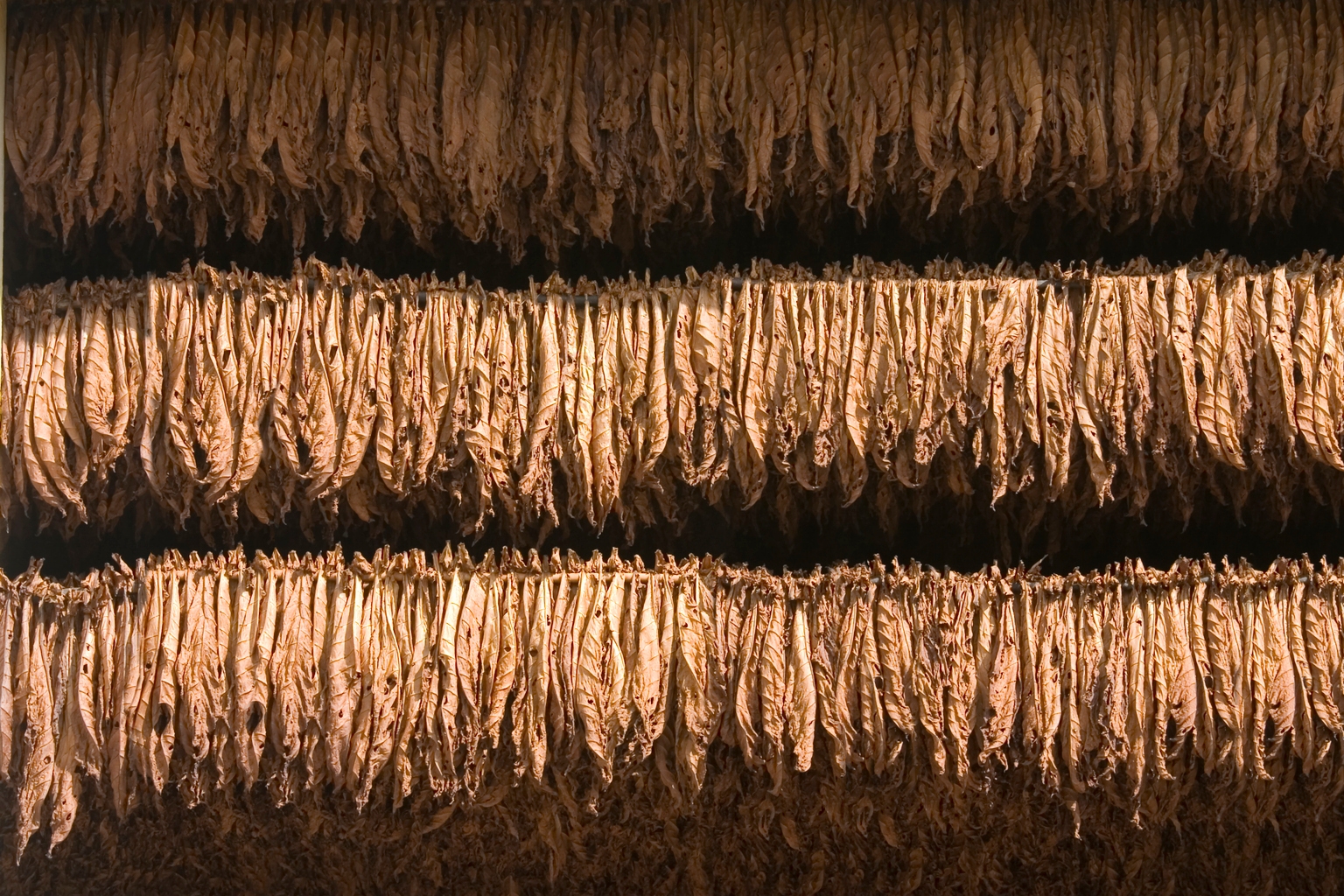
Universal (UVV) faces structural headwinds despite its Dividend King classification, which historically signals stability and capital return consistency. The company operates in the ingredients and specialty chemicals sector, where demand volatility and competitive pricing pressure have dampened growth trajectory, raising questions about earnings sustainability relative to dividend obligations.
The core concern centers on payout ratio adequacy and leverage metrics. When dividend yield is maintained through weak operational growth rather than improving cash flow generation, the sustainability profile deteriorates. High payout ratios combined with elevated debt levels compress financial flexibility, particularly if revenue headwinds persist or cost inflation resurges. This dynamic limits management's ability to weather cyclical downturns without dividend cuts or dilutive capital raises.
The ingredients subsector has faced margin compression and demand normalization post-pandemic, with customers reducing inventory and negotiating pricing concessions. UVV's exposure to this softer demand environment, paired with weak organic growth, suggests the dividend may be funding itself through cash management rather than genuine earnings power improvement. Market recognition of this disconnect typically precedes multiple compression and stock underperformance.
Sector implication: Consumer Defensive equities have traditionally sheltered portfolios during uncertainty, but dividend payers with deteriorating fundamentals risk becoming value traps. Investors must distinguish between stable dividend royalty and mechanically-maintained distributions disconnected from business health.