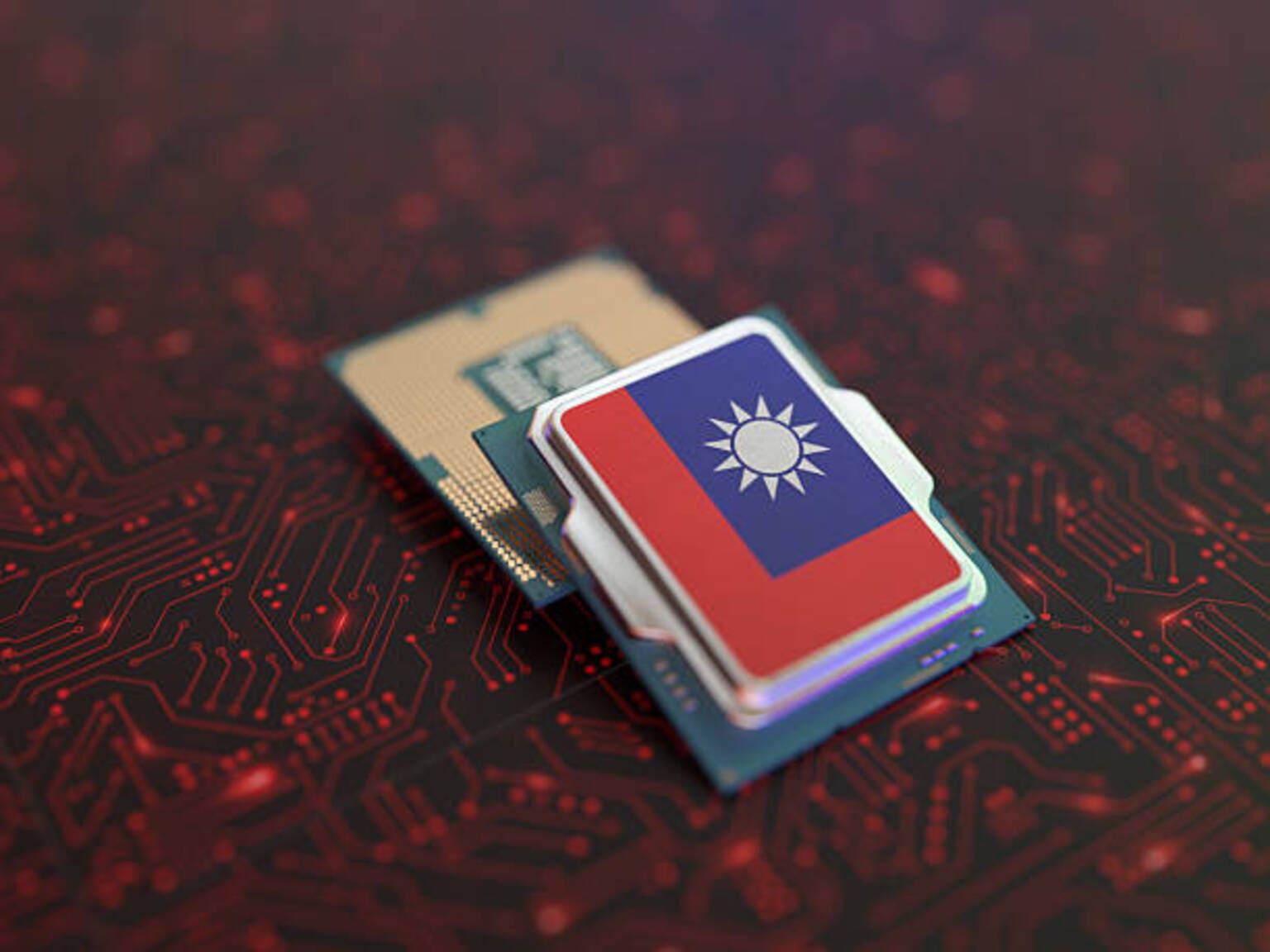
TSM is positioned to benefit from sustained artificial intelligence chip demand, which continues to drive semiconductor capacity requirements across cloud infrastructure, data centers, and consumer AI applications. The thesis centers on pricing power and operational leverage as advanced node utilization remains elevated, supporting margin expansion despite competitive dynamics in the sector.
Valuation analysis suggests TSM trades at a discount relative to pure-play AI semiconductor peers, creating a potential re-rating catalyst if earnings materially exceed consensus. The combination of demand strength and relative undervaluation creates asymmetric risk-reward, particularly if Q-series guidance surprises to the upside on volume and pricing.
However, geopolitical risks around Taiwan and U.S.–China semiconductor restrictions remain material tail risks that could pressure sentiment or fundamentals. Supply chain normalization and competitive capacity additions from Intel and Samsung also pose medium-term headwinds to pricing power assumptions embedded in the bull case.
Sector implication: Strength in TSM would signal confidence in AI capex sustainability and validate semiconductor foundry consolidation around Taiwan Semiconductor. A positive earnings surprise would likely extend the technology sector rotation driven by AI infrastructure buildout.