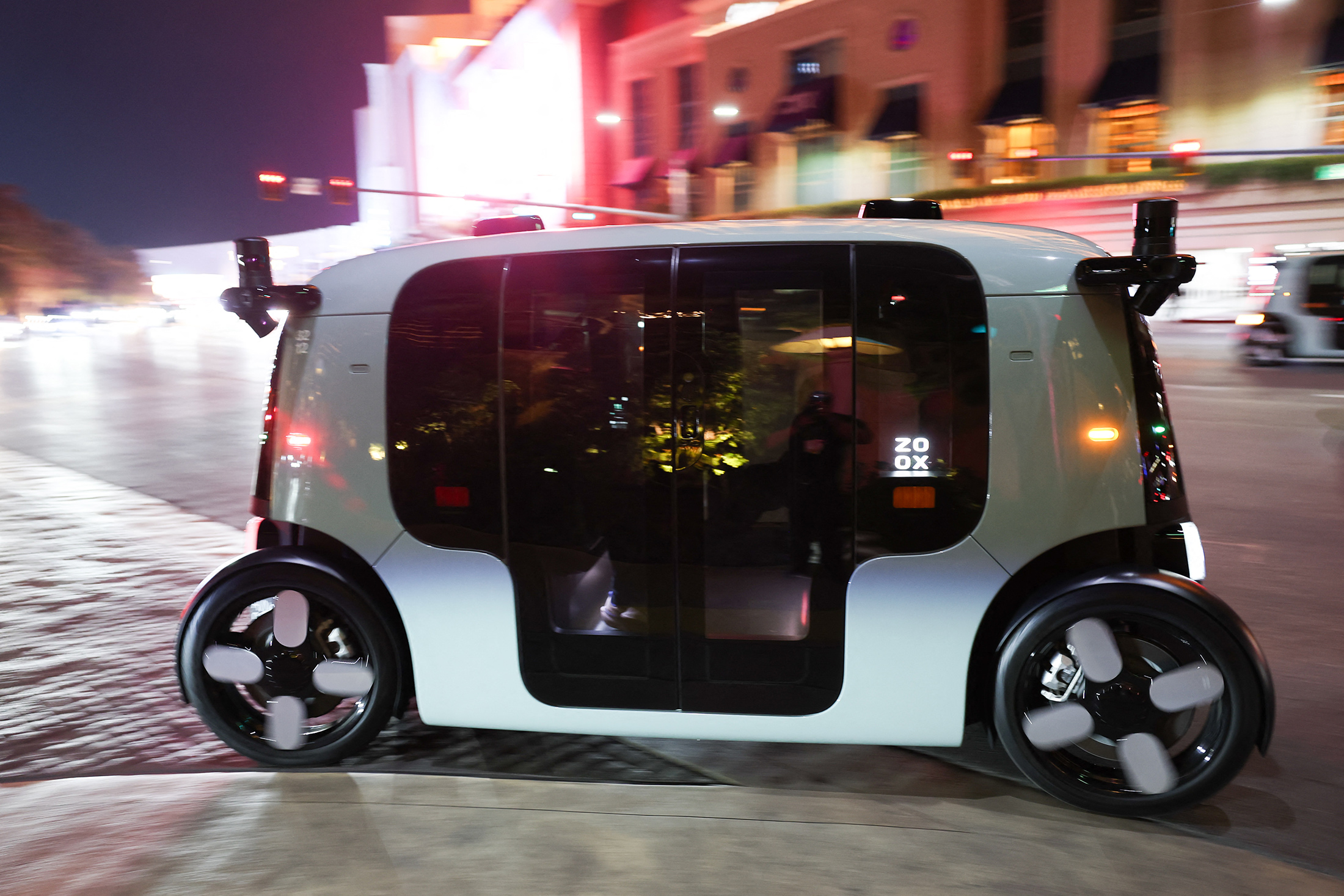
The emergence of passengers falling asleep in robotaxis during rides represents a novel operational and safety challenge for autonomous vehicle operators, particularly Waymo (owned by GOOGL). This phenomenon highlights an underappreciated aspect of full autonomy: passenger behavior in driverless environments differs fundamentally from human-driven trips, where passenger alertness is implicit.
The incidents triggering 911 calls suggest two critical dimensions: first, the current lack of in-cabin monitoring and passenger wake protocols in existing robotaxi systems; second, public perception around autonomous vehicle safety when passengers lose consciousness. These edge-case scenarios are now becoming data points for insurance providers and regulators assessing AV risk profiles, potentially influencing coverage terms and operational guidelines across the sector.
Technology companies developing autonomous platforms must now engineer behavioral solutions—whether through cabin monitoring, alert systems, or pickup verification protocols—to address what appears as a safety and liability gap. This adds engineering complexity and operational overhead that was not previously factored into deployment timelines or cost models.
Sector implication: The incident underscores that autonomous vehicle maturity extends beyond technical driving capability into passenger experience management and edge-case safety design. Regulatory scrutiny may intensify around in-cabin systems and emergency response procedures, affecting development roadmaps and operating margins for AV operators.