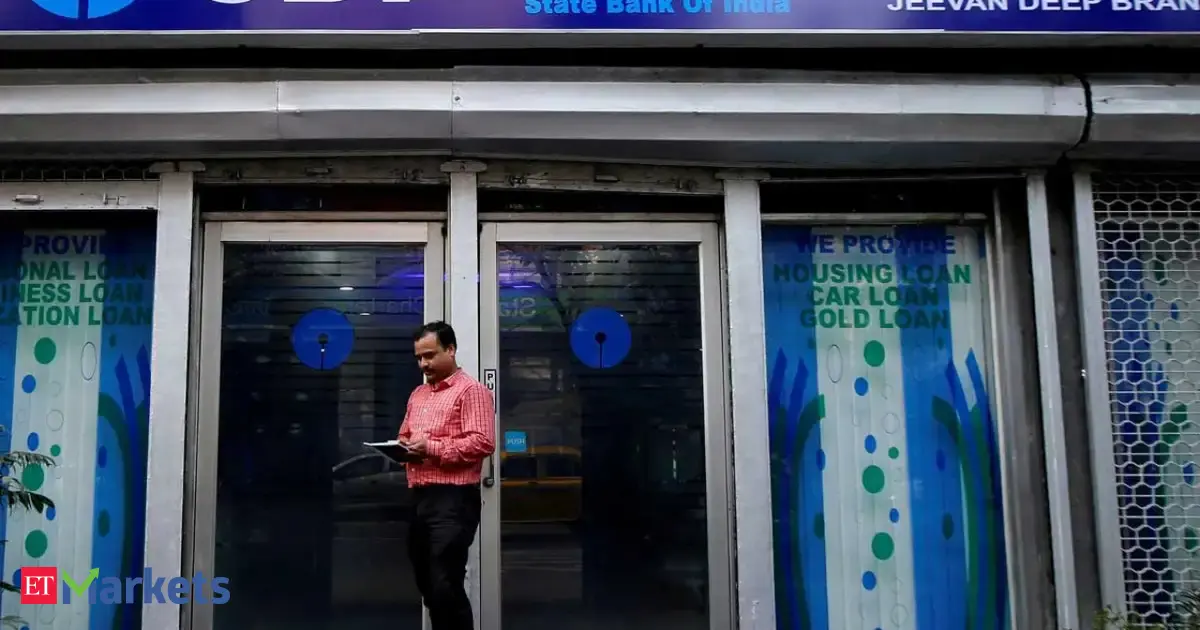
State Bank of India's subsidiary, SBI Funds Management, is conducting an initial public offering with a unique dual-application mechanism for existing SBI shareholders. This structural feature allows eligible shareholders to participate in two separate allotment categories simultaneously, creating a bifurcated subscription process that technically increases individual participation pathways without expanding the total offering size.
The mechanism—permitting one retail application and one shareholder-reserved application per eligible investor—is designed to enhance allocation probability for existing stakeholders while maintaining regulatory compliance with separate category reservations. The independent allotment decisions across categories mean successful bids in one tranche do not preclude or guarantee success in the other, creating distinct risk-adjusted outcomes per applicant tier.
From a market perspective, this represents standard financial engineering for public sector enterprise subsidiary listings in India. The structure does not materially alter valuation drivers, fundamental growth prospects, or sector momentum. It primarily redistributes allocation mechanics among investor classes rather than creating new demand or supply dynamics.
Sector implication: This development carries minimal correlation with broader equity markets or Financial Services sector trends. The IPO is a domestic capital-raising event with limited systemic significance, affecting only the specific subsidiary's ownership structure and not parent entity operations or competitive positioning.