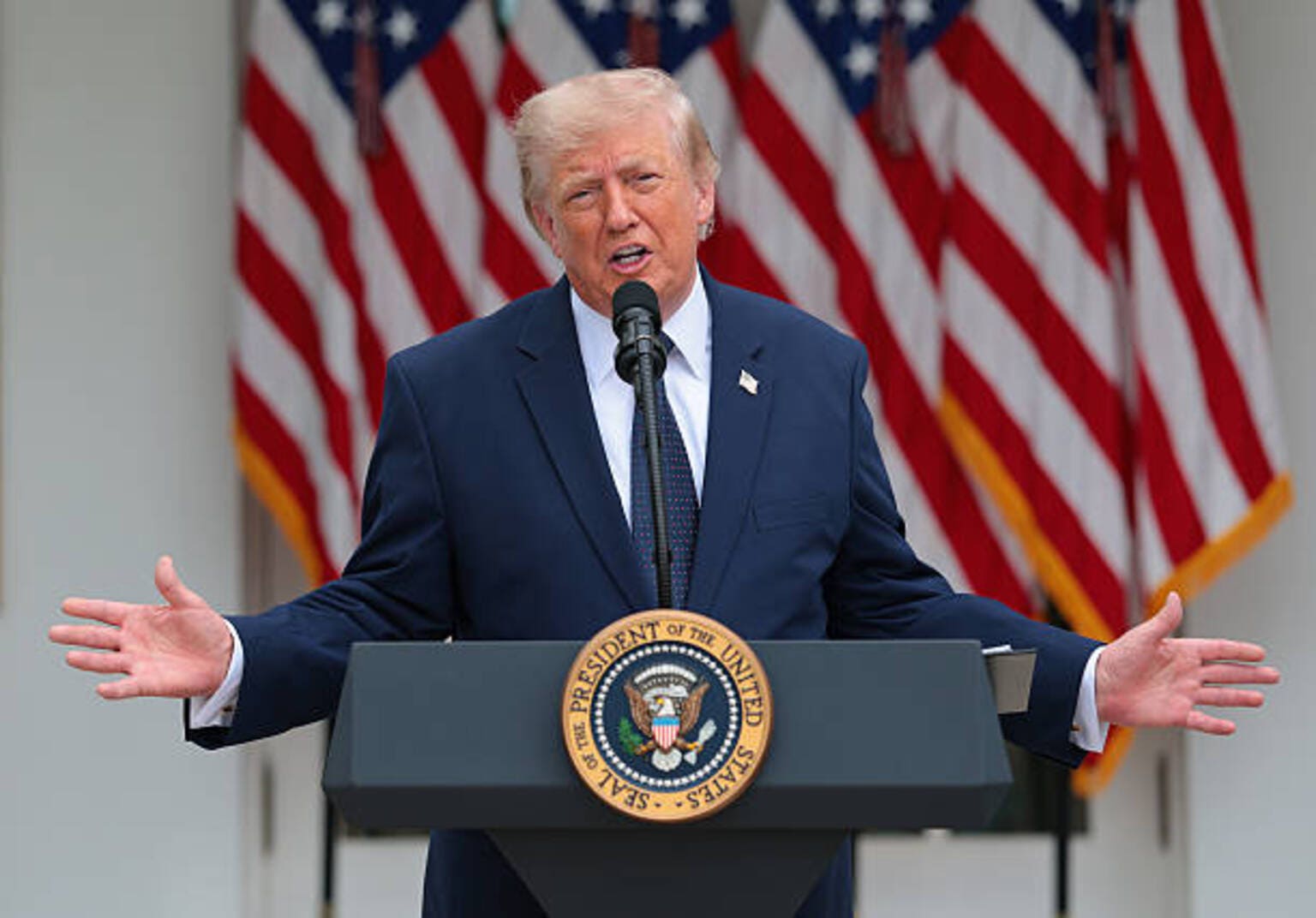
Trump's announcement of a 20% reimbursement fee on Strait of Hormuz cargo represents a material geopolitical intervention with immediate supply-chain and inflation implications. The Strait handles roughly 30% of global seaborne oil trade, making this a systemic leverage point for trade-policy signaling. This move extends protectionist doctrine beyond tariffs into critical infrastructure tolls.
Energy markets face dual pressure: crude oil producers may experience near-term price support due to supply-chain friction premiums, but consumers and refiners face margin compression from elevated shipping costs. Shipping indices and insurance spreads will reprice higher, creating a de facto tax on import-dependent supply chains globally, particularly affecting Asia-bound cargo.
Consumer-facing sectors—retail, manufacturing, and tech hardware—face transactional cost headwinds that compress margins and potentially trigger pass-through inflation. Small-cap exporters and import-reliant manufacturers show elevated vulnerability. Defensive equities and commodities (gold, bonds) should outperform in this environment as investors price tail-risk premiums.
Sector implication: Energy rallies on geopolitical premium; Consumer Cyclical and Industrials contract on cost burden. Broader market correlation weakens as policy-driven bifurcation overrides macro fundamentals. Volatility repricing expected in shipping, energy, and EM currencies.