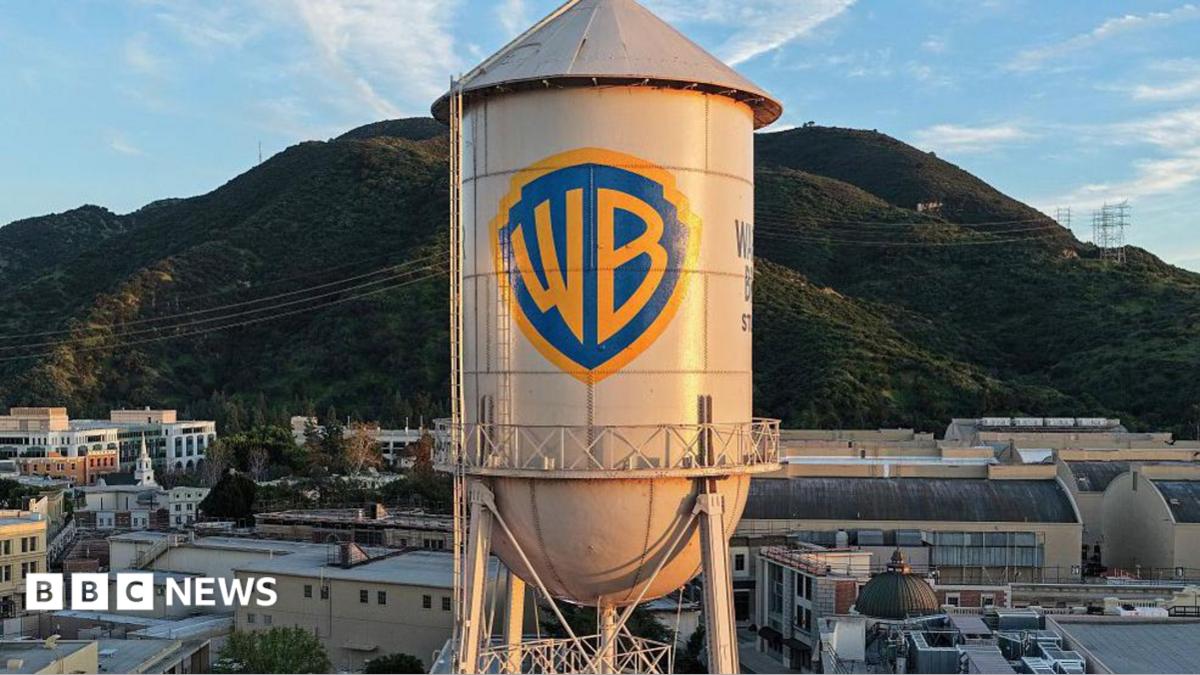
A multi-state legal challenge against the proposed Paramount-Warner Bros merger represents a significant regulatory headwind for one of the entertainment industry's most anticipated consolidation plays. The lawsuit targets a $110 billion combination that would reshape Hollywood's competitive landscape and streaming distribution architecture.
The antitrust action underscores intensifying scrutiny of mega-cap media consolidation. State attorneys general are citing competitive concerns that likely center on combined market power in content distribution, streaming platforms, and broadcast licensing. This mirrors broader regulatory skepticism toward large-scale M&A in concentrated sectors, where deal completion risk now carries material legal and timing uncertainty.
For PARA and WBD shareholders, litigation introduces downside optionality: extended deal timelines increase opportunity costs, while merger termination would reset strategic positioning independently. The communication sector faces renewed regulatory pressure as policymakers prioritize content ecosystem competition over scale benefits.
Sector implication: Entertainment and broadcast consolidation now faces elevated antitrust barriers. Streaming and media companies may require smaller, more targeted M&A strategies rather than transformative scale plays. This regulatory environment could support independent producers and smaller platforms by protecting competitive fragmentation.