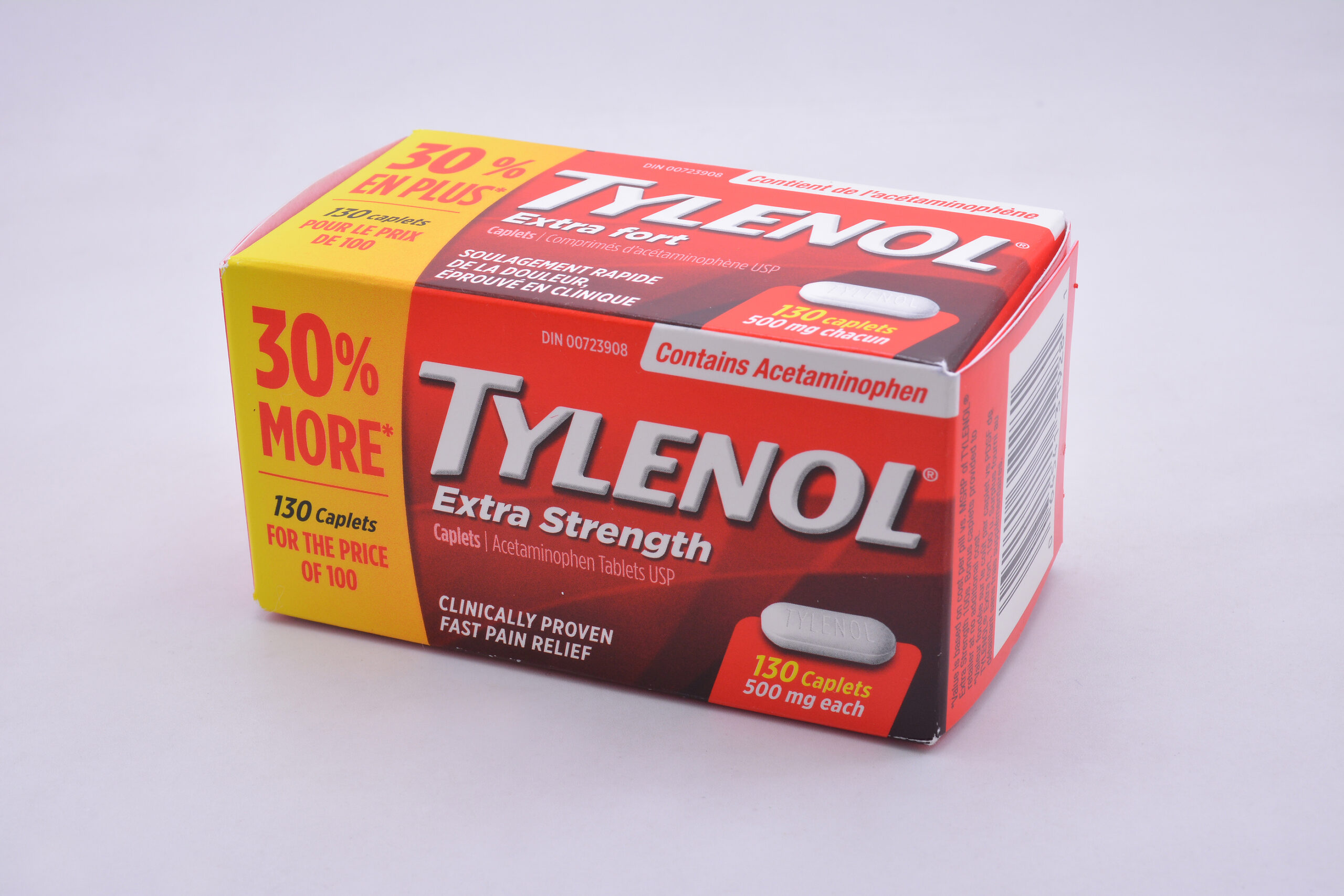
A federal appeals court decision to revive over 500 private lawsuits against Kenvue (KVUE), the spun-off consumer health entity formerly part of Johnson & Johnson (JNJ), represents a significant litigation escalation. The court's ruling reverses prior dismissals and reinstates claims linking acetaminophen (Tylenol) to autism spectrum disorder, opening the door to substantial discovery and potential damages exposure.
This decision carries material implications for KVUE's balance sheet and insurance obligations. Over 500 consolidated claims suggest systemic liability exposure rather than isolated cases. The appellate reversal signals judicial receptivity to the autism-causation theory, potentially influencing settlement dynamics and increasing defense costs even if ultimate liability remains uncertain. Product liability of this scale can materially impact shareholder value and operational capacity.
For JNJ, the indirect exposure is meaningful given historical entanglement and potential contribution theories, though the 2019 spinoff was designed to isolate consumer health risks. However, cross-indemnification clauses and historical product stewardship could create residual liability obligations depending on separation agreement language.
Sector implication: This ruling pressures the pharmaceutical and consumer health subsectors. Acetaminophen is ubiquitous in OTC pain management, affecting multiple manufacturers and creating broader industry litigation risk. Investors should monitor similar epidemiological claims across the health care sector and reassess product liability insurance adequacy for OTC analgesic manufacturers.