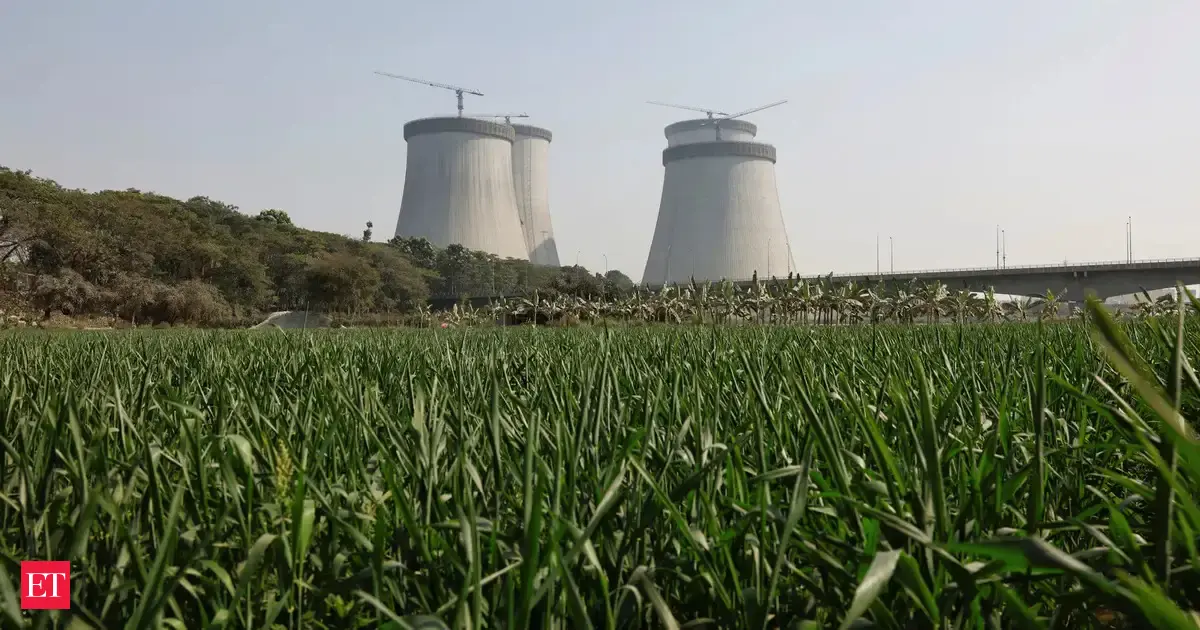
Bangladesh's inaugural nuclear power facility represents a structural pivot in the developing world's energy infrastructure strategy. The Padma river plant signals a deliberate shift away from fossil fuel dependency, addressing both immediate capacity constraints and long-term energy security vulnerabilities inherent in emerging economies.
The project's completion timeline and cost escalation dynamics create mixed signals for nuclear technology providers and equipment manufacturers. While RLLCF and RYCEF may see modest tailwinds from supply-chain participation, the headline impact remains limited given the facility's localized scope and Bangladesh's constrained capital expenditure environment relative to global nuclear expansion.
The exploration of small modular reactors (SMRs) suggests incremental diversification rather than transformative acceleration of nuclear adoption across South Asia. This reflects cautious momentum—regulatory frameworks, financing constraints, and public acceptance remain material headwinds for emerging-market nuclear deployment.
Sector implication: Energy and utilities sectors show modest positive exposure, but correlation with broad equity markets remains muted. Nuclear infrastructure in developing economies typically represents long-duration, low-volatility capital deployment with negligible near-term market catalysts for publicly traded entities.