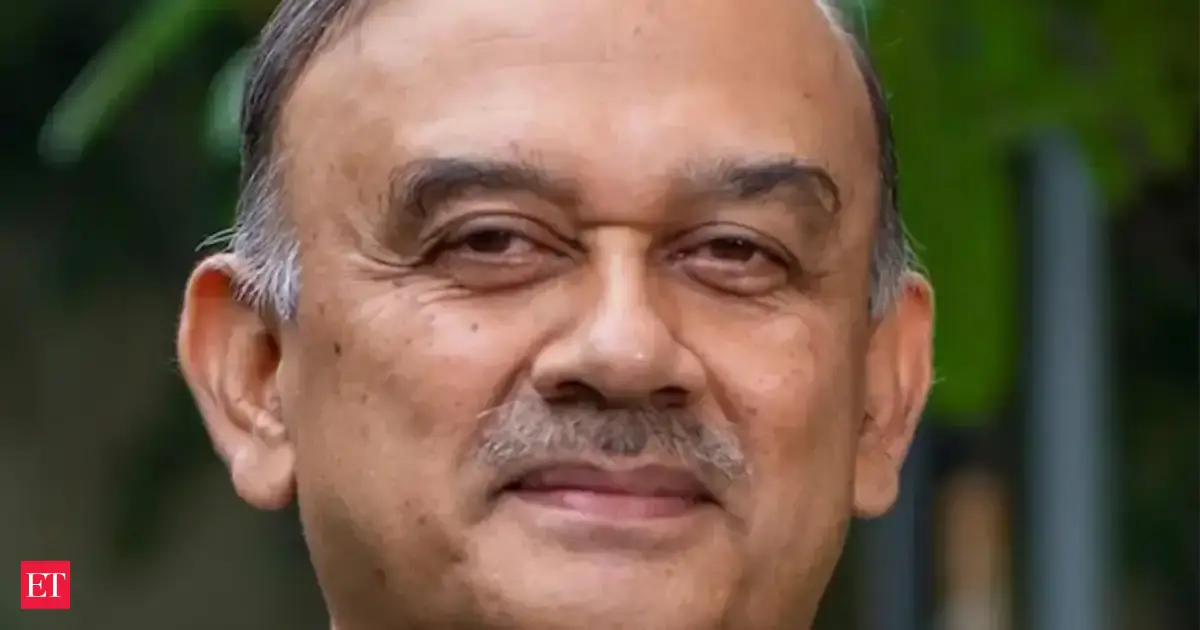
HDFC Bank disclosed that departing chairman Atanu Chakraborty's compensation rose 3.5% to Rs 1.07 crore in FY26 despite his early resignation on March 18, 2026. His exit was framed around ethical concerns, introducing near-term governance noise into investor perception of the lender's internal controls and board dynamics.
The bank's subsequent engagement of external law firms to validate Chakraborty's claims—ultimately finding no substantiation—represents a reputational remediation effort. This disclosure sequence signals either a genuine governance review or reactive damage control, both of which carry implications for institutional confidence in the organization's transparency standards and executive oversight mechanisms.
The fact that Chakraborty maintained full board attendance through his departure suggests limited operational friction, yet the governance friction is material. Investor focus will likely center on whether this episode reflects isolated executive behavior or systemic weaknesses in board composition, audit procedures, or ethical frameworks within HDFC Bank's management hierarchy.
Sector implication: Indian financial services companies face heightened scrutiny on governance post-regulatory tightening. Incidents like this, while localized to personnel, feed broader concerns about institutional controls at major banking institutions and may modestly pressure valuation multiples for Indian lenders in a competitive environment.