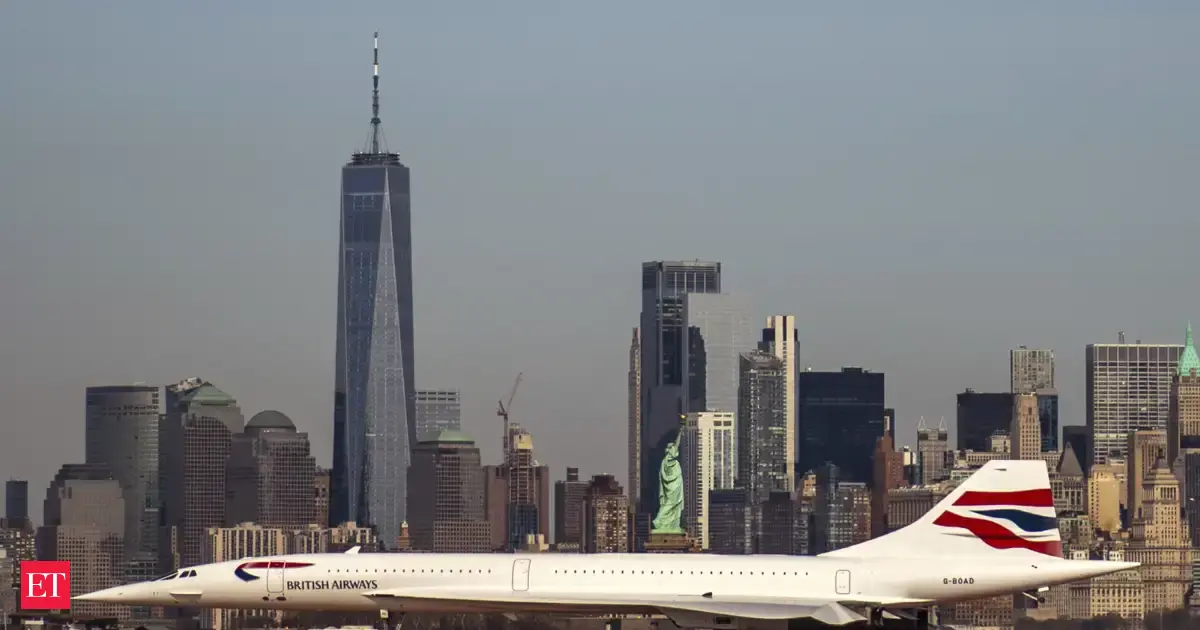
The FAA's proposal to lift the long-standing ban on supersonic flight over land represents a meaningful regulatory shift that could unlock a new aerospace market segment. NASA's X-59 quiet supersonic technology demonstration provides the technical foundation for this transition, addressing the primary barrier—noise pollution—that has constrained civilian supersonic operations for decades.
Near-term commercial deployment will focus on high-end private aviation, where regulatory acceptance and economic returns are more favorable than commercial airliners. This segment offers lower certification complexity and concentrated demand among ultra-high-net-worth clients willing to absorb premium pricing. Manufacturers like Textron and major aerospace primes are positioned to benefit from engineering and integration contracts.
Broader civilian airliner adoption remains a multi-year prospect contingent on sustained cost reduction, regulatory harmonization, and environmental validation. The path from proof-of-concept to certified commercial service typically spans 5-10 years, implying limited near-term revenue acceleration despite positive sentiment.
Sector implication: Aerospace and defense industrials stand to capture design, manufacturing, and certification work; however, the technology remains nascent and capital-intensive, limiting immediate earnings upside. Success hinges on sustained regulatory evolution and demonstrated economic viability in initial markets.