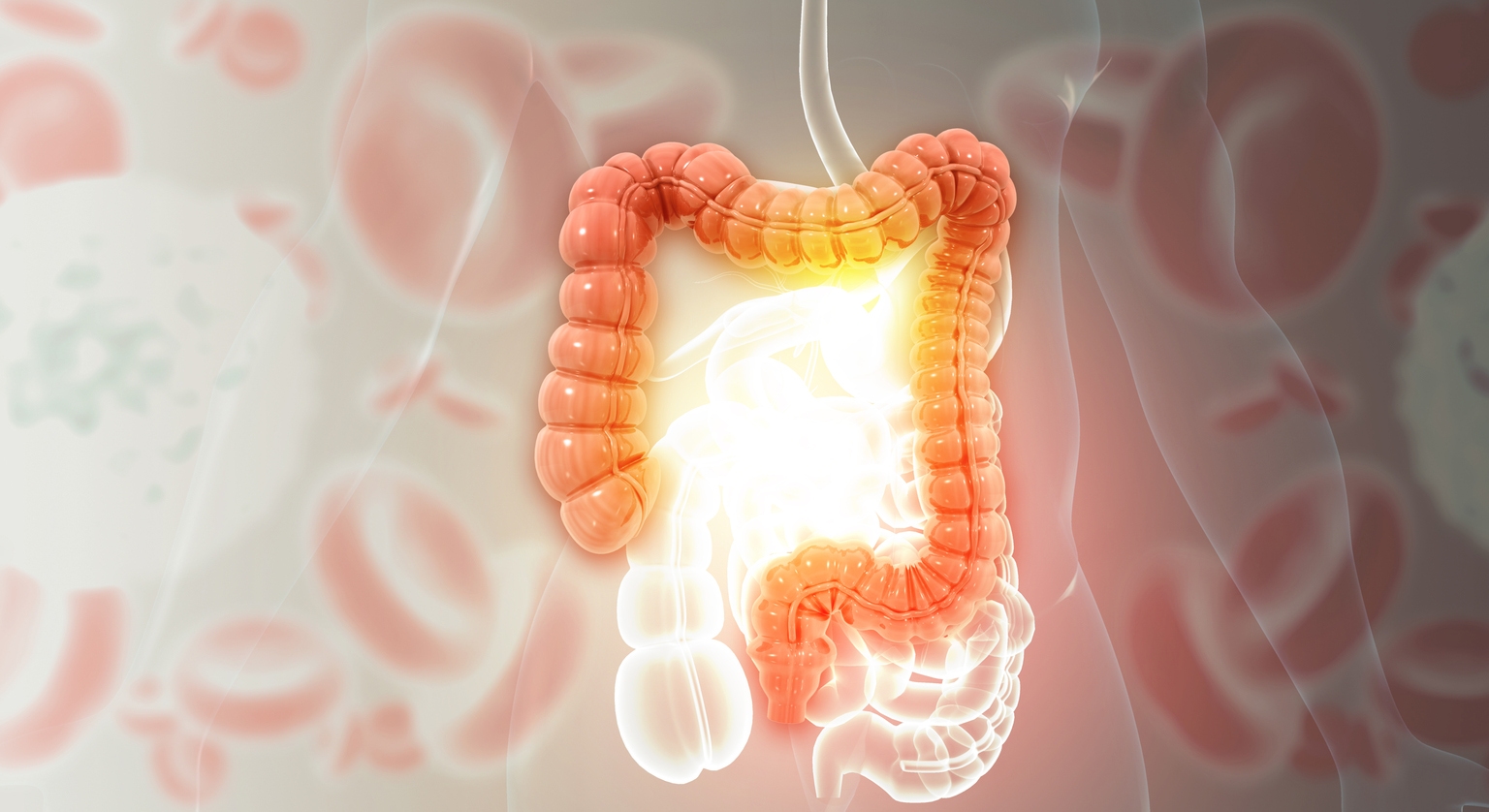
Palisade Bio (PALI) has disclosed Phase 1 safety data for its experimental therapeutic PALI-2108, designed to address inflammatory bowel disease (IBD) markets including ulcerative colitis and Crohn's disease. The company's unique mechanism of action positions it within a competitive but clinically validated therapeutic space with substantial unmet need and established patient populations.
The $132.6M cash runway provides a meaningful runway toward Phase 2 advancement, suggesting adequate funding without immediate financing pressure. This metric is critical for early-stage biotech valuation, as it reduces near-term dilution risk and extends the clinical inflection window. The cash position reflects investor confidence in the development pathway, though Phase 1 completion remains an early inflection point with substantial clinical and regulatory risk ahead.
M&A comparables analysis embedded in this research highlights consolidation trends in the IBD space, where larger pharmaceutical and specialty biotech companies have acquired earlier-stage programs at various development stages. This context establishes potential exit pathways and valuation frameworks, though acquisition multiples vary significantly based on mechanistic differentiation and clinical efficacy readouts.
Sector implication: Biotech clinical-stage research lacks broad market correlation; PALI moves independently of macro trends and sector rotation patterns. Healthcare sector exposure remains neutral until Phase 2 data catalysts emerge. Limited trading volume and small-cap dynamics create idiosyncratic risk factors unrelated to S&P 500 momentum.