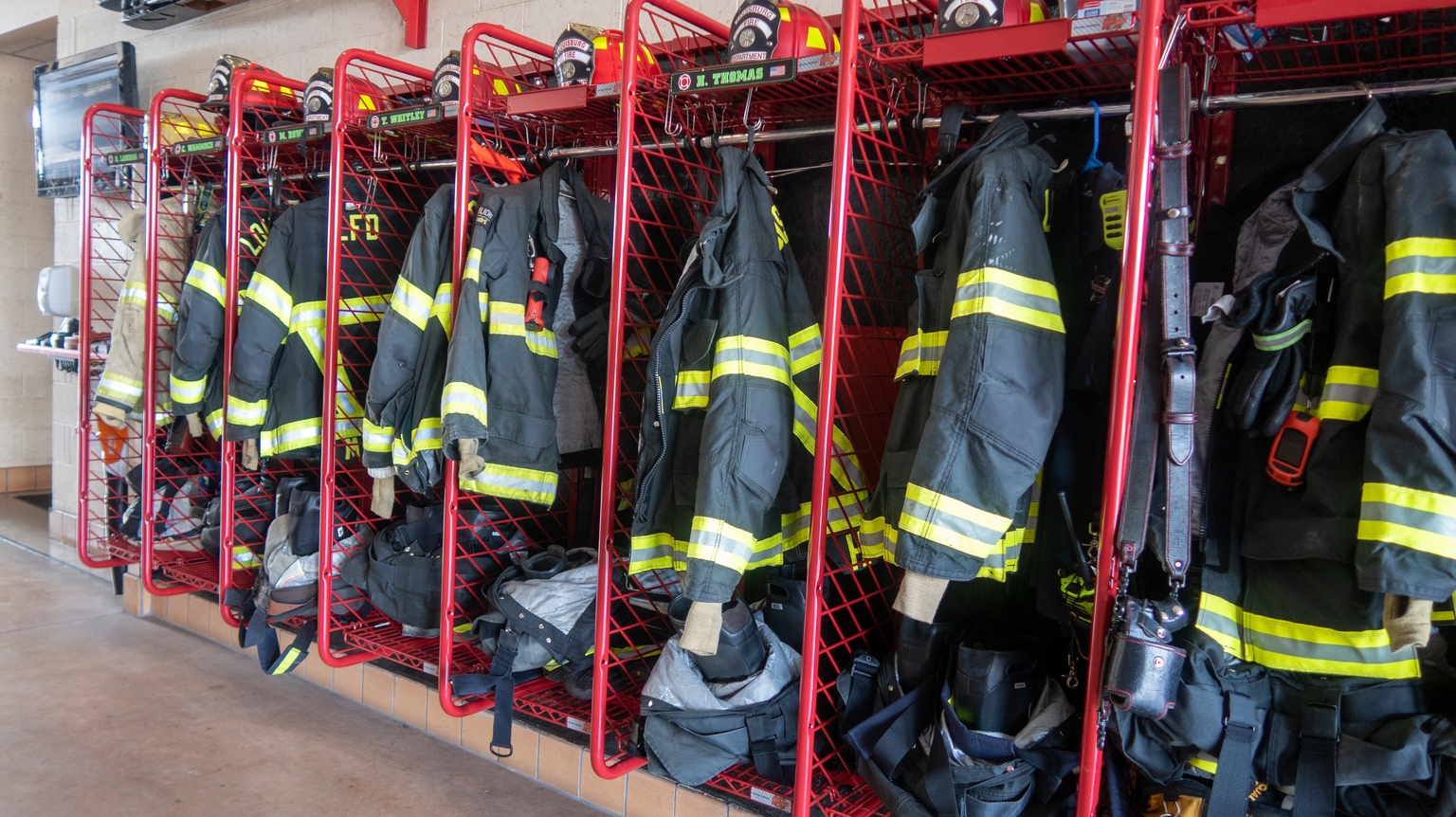
Lakeland Industries (LAKE) is positioned as a conditional long thesis hinging on a single operational metric—likely margin expansion tied to operational efficiency or product mix shift. The thesis hinges on a strategic pivot toward fire services, a higher-margin revenue segment that could materially improve profitability if execution meets expectations.
The investment case embeds leverage setup mechanics, suggesting the company may benefit from operational leverage as revenues scale within targeted verticals. This creates asymmetric risk: strong margin upside if the pivot succeeds, but significant downside if fire services penetration stalls or competitive pressures erode pricing power.
However, PFAS (per- and polyfluoroalkyl substances) regulatory and reputational headwinds represent a material credibility risk. Given LAKE's exposure to protective equipment markets, tightening PFAS standards could trigger product reformulation costs, supply chain disruptions, or demand destruction, materially compressing the margin expansion narrative.
Sector implication: The thesis is idiosyncratic to LAKE's operational execution and regulatory environment rather than broad industrial or materials sector tailwinds. Success requires flawless execution on margin expansion while navigating chemical regulation—a high-conviction, binary outcome trade.