Damaged Manhattan Tower Owner to Reconstruct 15 Floors After Evacuation
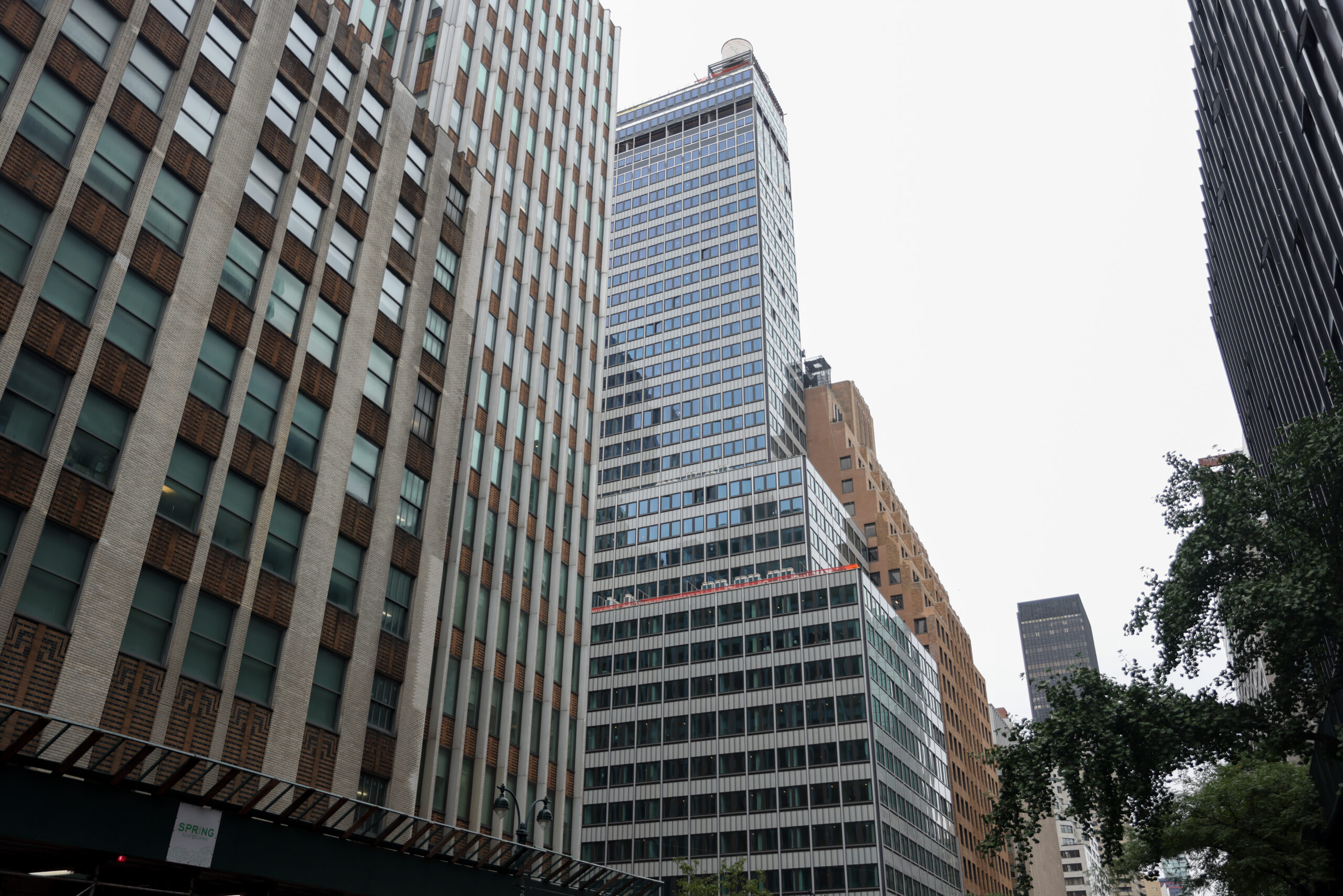
A Midtown Manhattan office tower experienced structural concerns requiring evacuation and subsequent reconstruction of 15 floors. While the incident itself represents a localized real estate disruption, it underscores broader challenges facing the commercial property sector in major metropolitan areas. The developer's stated remediation plan suggests confidence in structural viability, though execution risk and timeline uncertainties remain material considerations for stakeholders.
The evacuation and reconstruction needs highlight operational and capital expenditure pressures on real estate portfolios, particularly for aging or insufficiently maintained structures. These events typically trigger insurance claims, regulatory scrutiny, and tenant confidence issues that can depress property valuations and leasing momentum in the near term. The Manhattan office market, already challenged by hybrid work adoption and elevated vacancy rates, faces additional headwinds from such incidents.
From a macroeconomic perspective, structural remediation costs and insurance implications may influence developer financing conditions and cap rate dynamics in commercial real estate. However, this isolated property event carries minimal systemic risk to the broader financial markets or equity indices given its localized scope and the real estate sector's modest correlation with equities during periods of structural uncertainty.
Sector implication: Real Estate Investment Trusts (REITs) and commercial property stocks may experience mild negative sentiment in New York-focused portfolios, but the incident does not materially shift sector valuations or macro outlook. Insurance sector exposure remains modest given typical commercial property loss reserves.