US Military Races To Harden Strategic Nuclear Bases With Counter-Drone AI Shield
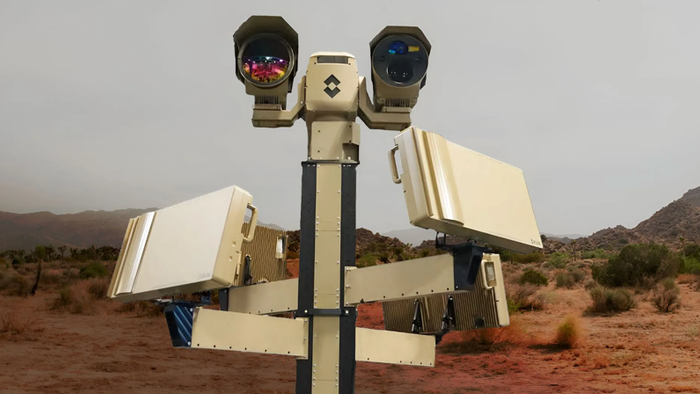
The U.S. military's initiative to deploy counter-drone AI systems at strategic nuclear facilities represents a defensive infrastructure upgrade rather than a market-catalyzing event. This reflects heightened geopolitical risk perception and evolving asymmetric threat assessment, but lacks concrete procurement announcements or budget authorization details that would typically trigger equity reactions.
Defense contracting sectors may see modest tailwinds from expanded military technology spending on autonomous systems and hardened infrastructure. However, the article provides no specific vendor identification, contract values, or timeline—limiting institutional portfolio implications. Broad defense and aerospace-industrial equities could benefit incrementally from sustained DoD modernization budgets, though this is already priced into consensus expectations.
From a macro perspective, continued military spending on hardened nuclear command infrastructure signals sustained geopolitical tension and elevated defense budget prioritization. This underpins long-term secular demand for AI-enabled defense systems and critical infrastructure protection, but does not constitute a near-term catalyst for sector rotation or risk-asset repricing.
Sector implication: Technology and Industrials exposure rises modestly on structural defense spending themes, while overall market correlation remains low given the specialized nature of military procurement and absence of named-firm beneficiaries. Sentiment remains neutral pending formal contract awards or budget bill passage.