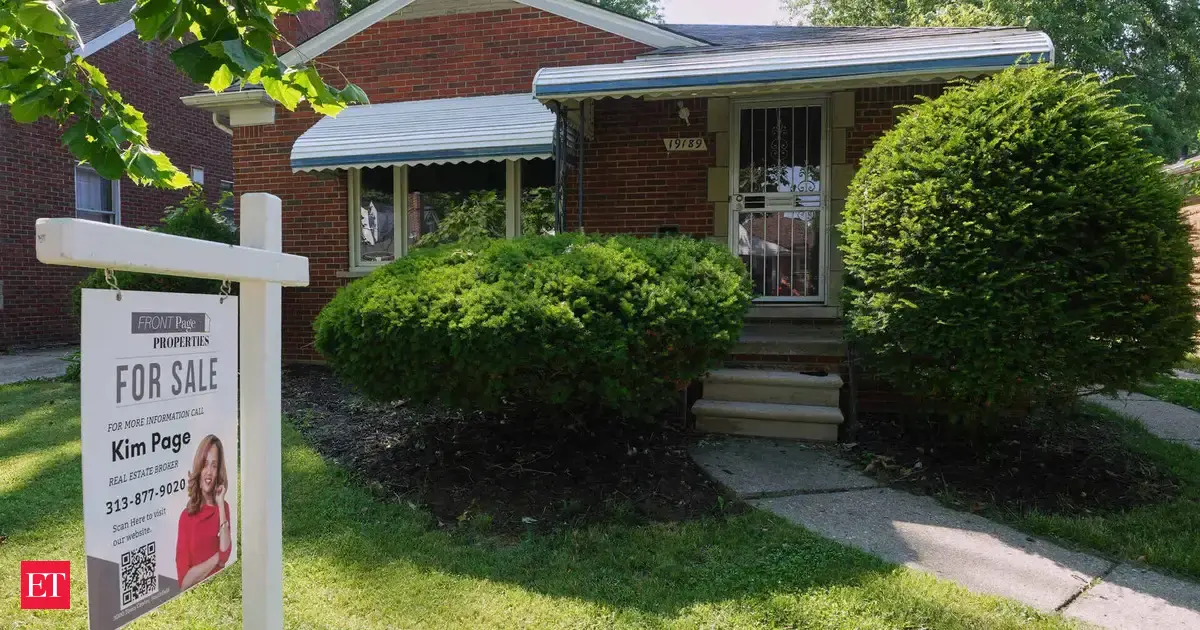
US home prices reached all-time highs while existing home sales unexpectedly contracted in June, creating a paradoxical market dynamic. The combination of record valuations and elevated mortgage rates has effectively priced out marginal buyers, producing a transaction slowdown despite constrained housing supply. This divergence between price strength and volume weakness signals demand destruction at current rate levels.
Mortgage rate friction remains the primary headwind, as homeowners locked into sub-3% rates face substantial rate differentials that discourage listing. This behavioral stickiness exacerbates the supply shortage and removes transactional velocity from the market. Sales declines across multiple regions suggest the phenomenon is systemic rather than localized, with contract activity reflecting earlier purchase intentions rather than current conditions.
For mortgage finance companies like FMCC and FMCKL, reduced transaction volume directly pressures origination pipelines and servicing income, despite price appreciation providing theoretical collateral support. The affordability wall—combining price and rate—threatens lending profitability and asset quality deterioration if unemployment rises.
Sector implication: Financial Services and Real Estate face headwinds from demand destruction; however, tight supply mechanisms may eventually prevent outright price declines, creating a structural floor. Consumer Cyclical weakness emerges from reduced housing-related spending multipliers, while broader economic sensitivity hinges on labor market resilience maintaining buyer capacity.