The economic cost of Trump’s clean energy rollbacks has been enormous—and it’s still growing
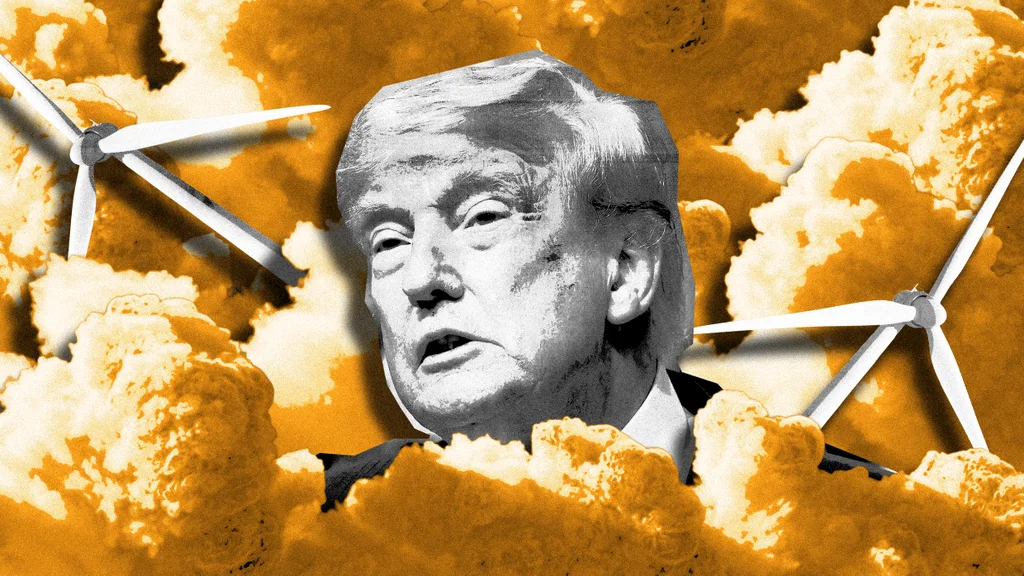
The article documents a significant contraction in clean energy project development following policy shifts, with over 200 major initiatives either canceled or substantially reduced in scope. This represents a material disruption to renewable energy sector capital allocation and workforce deployment, signaling a fundamental shift in energy infrastructure investment priorities away from renewable technologies.
The quantified economic impact—nearly 500,000 job losses and $55 billion in annual GDP erosion—underscores systemic headwinds for clean energy operators and supply-chain participants. Project cancellations typically trigger immediate revisions to forward revenue guidance, equipment orders, and long-term capacity additions, creating cascading effects across industrial manufacturers and utility operators dependent on renewable buildout targets.
Policy-driven rollbacks create asymmetric risk for clean energy equities, particularly those with high leverage to government incentives and renewable portfolio standards. Utility and energy transition plays face revaluation risks as investors reassess earnings sustainability under reduced federal support frameworks, potentially accelerating capital rotation toward traditional energy assets.
Sector implication: Clean energy infrastructure and renewable equipment manufacturers face prolonged headwinds. Utilities with significant renewable exposure require earnings recalibration. Broader market implications include reduced green-tech M&A velocity, lower capital expenditure multiples for renewable operators, and potential widening of valuations between traditional and alternative energy providers.