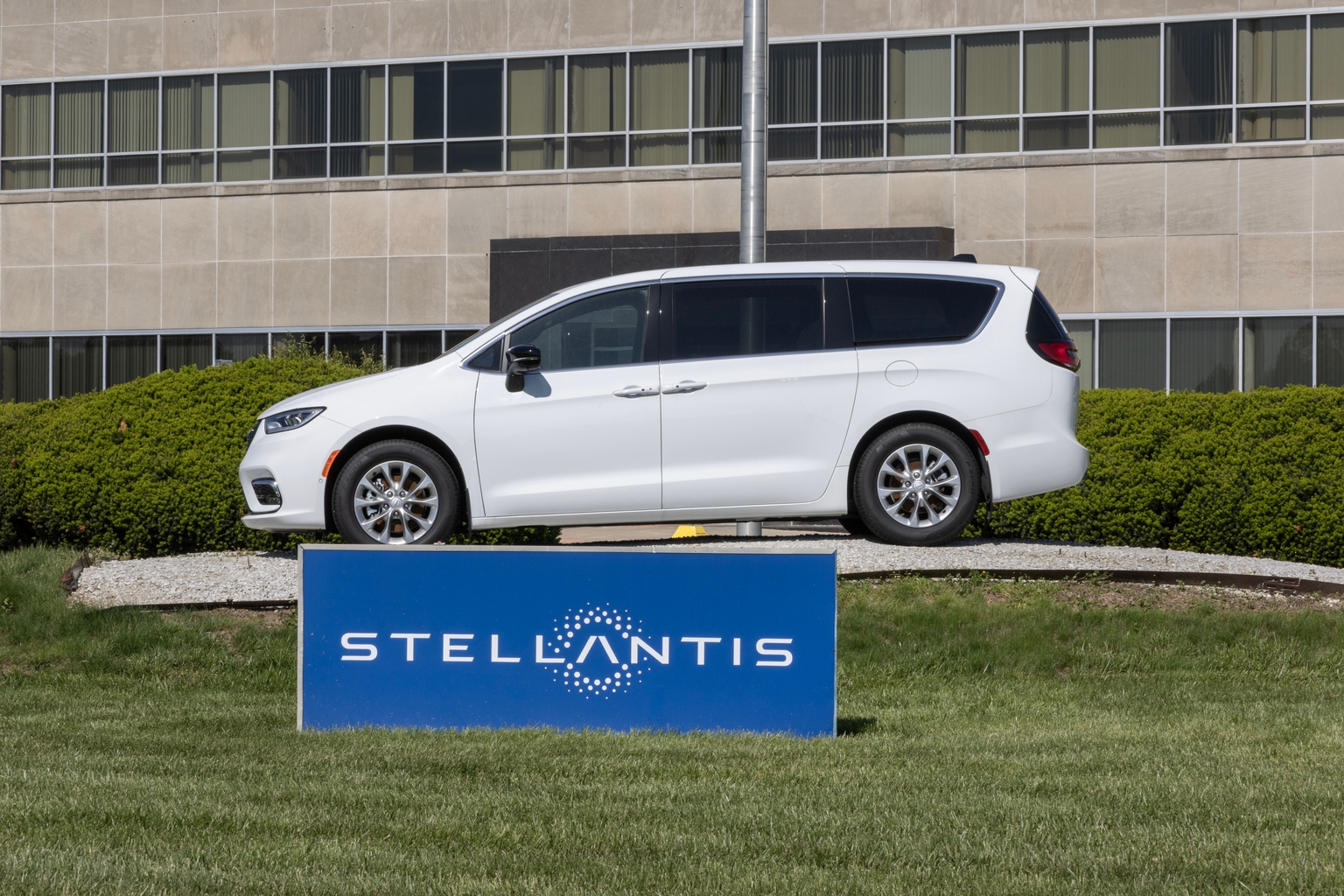
Stellantis (STLA) reported a staggering $26.3B loss projection for 2025, driven primarily by substantial EV-related write-offs. This magnitude of charge signals aggressive balance-sheet restructuring amid the automotive industry's transition away from internal combustion engines, indicating management acknowledgment that legacy inventory and platform investments face severe impairment.
The contradiction between rising sales volume and deteriorating profitability underscores a critical margin compression dynamic. STLA is experiencing the classic transitional trap: higher unit sales cannot offset collapsing per-unit economics as the product mix shifts toward lower-margin EV offerings. This disconnect is typical during forced fleet electrification cycles where competitive pricing pressure outpaces cost reduction.
The $26.3B charge magnitude places STLA in severe capital allocation distress territory. Investors must assess whether this represents a one-time recognition event or an admission of strategic planning failures. The breadth of write-offs suggests portfolio misalignment with market demand, raising questions about management's visibility into EV adoption timelines and consumer willingness to pay.
Sector implication: Traditional automotive faces structural headwinds during EV transition. Industrials exposure becomes riskier as legacy auto suppliers and OEMs face margin pressure. This event reinforces defensive rotation concerns and may pressure broader automotive supply chains dependent on STLA volumes.