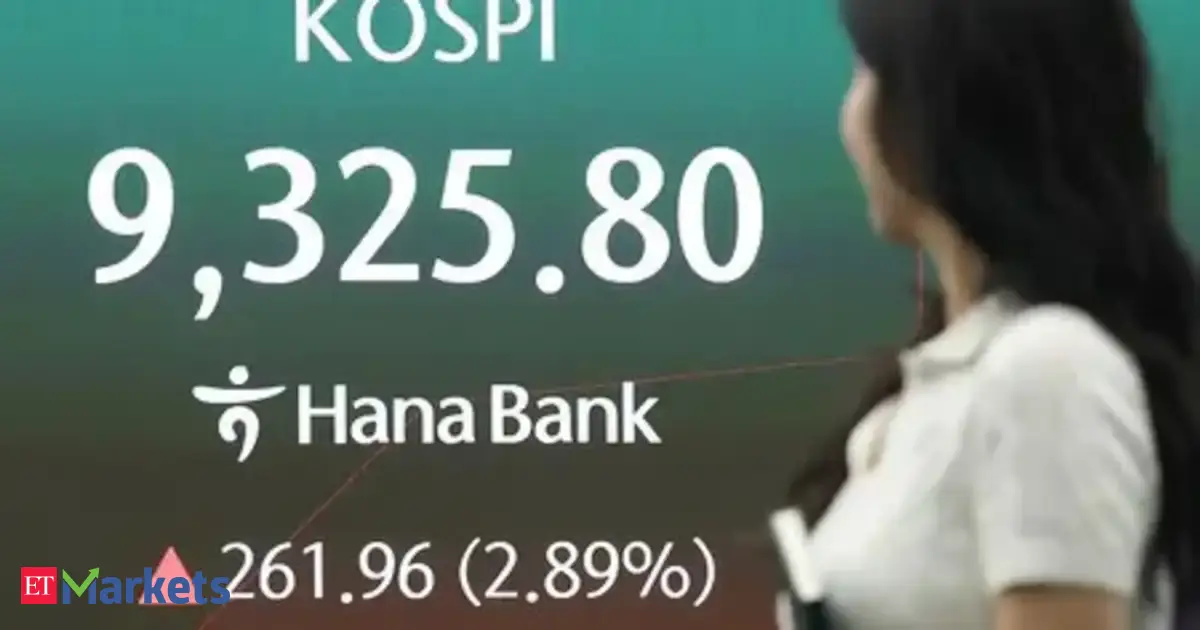
South Korea's Kospi index has entered bear market territory after a 20% decline from June peaks, primarily driven by a sharp selloff in semiconductor heavyweight positions. The correction reflects heightened sector concentration risk, with Samsung Electronics and SK Hynix losses cascading through the broader equity market. Finance Minister Koo Yun-cheol's public warning about chip stock over-concentration signals policy awareness of systemic vulnerability tied to single-sector dependency.
The decline underscores a critical structural weakness: emerging markets with heavy technology weighting face elevated volatility during global chip cycle downturns. Semiconductor pricing pressures, inventory destocking, and demand normalization have triggered a repricing of previously extended valuations. The Technology sector's dominance in the Kospi creates asymmetric downside risk absent diversification anchors in defensive or cyclical industrials.
Despite the bear market designation, the Kospi reportedly remains among the world's top-performing major indices year-to-date in 2026, suggesting the correction is mean-reversion within a broader uptrend rather than structural collapse. This context implies institutional buying interest at lower levels may provide support, limiting further downside extension.
Sector implication: Global semiconductor supply chains and downstream technology equity valuations face reassessment. Spillover effects to US semiconductor peers are modest given geographic and product diversification, though sentiment weakness in chip narratives could pressure cyclical technology multiples near-term.