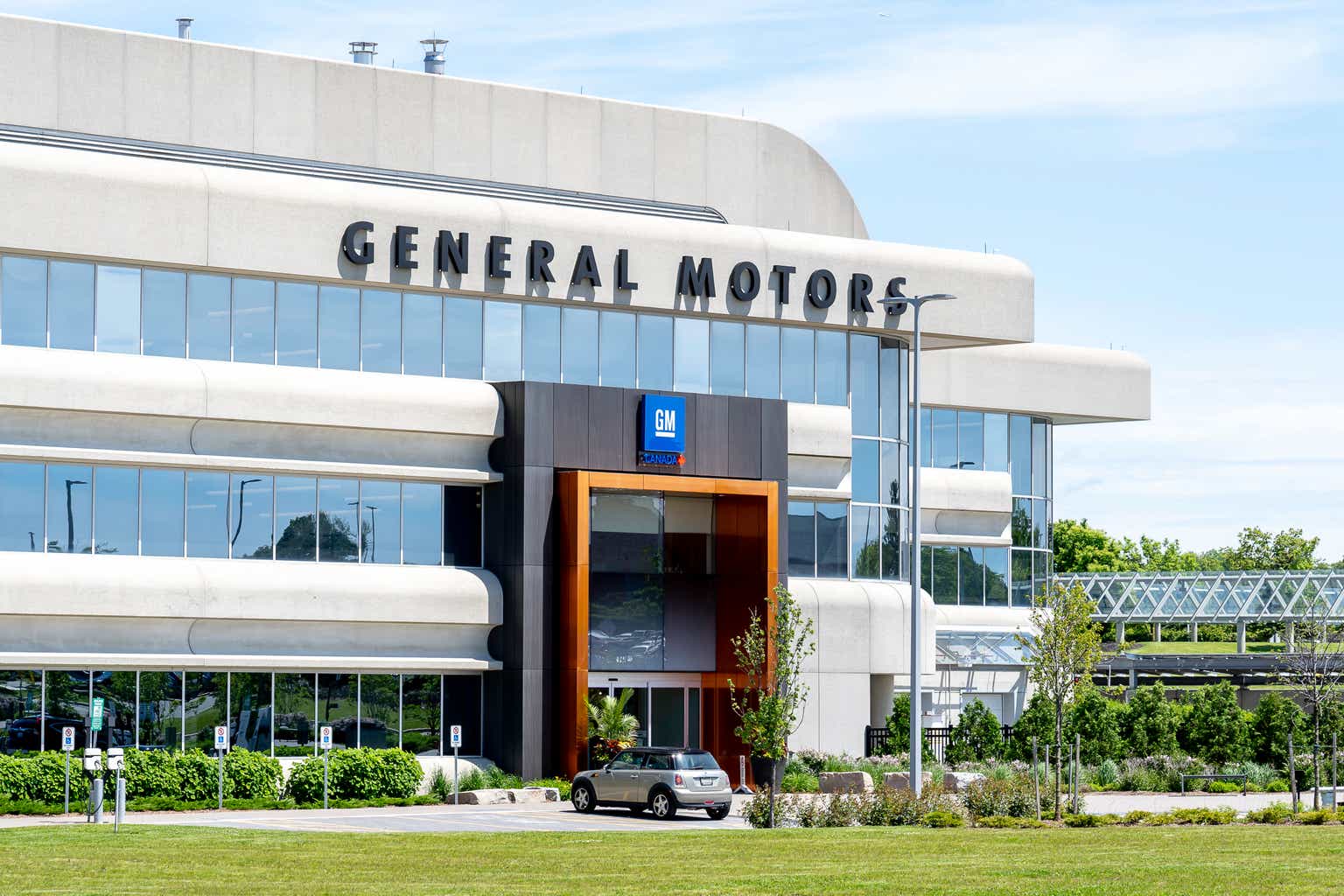
General Motors reported Q2 sales contraction of 4.2%, signaling softening demand in the broader automotive market. This decline reflects industry-wide pressures but positions GM within a mixed competitive landscape where relative performance matters. The company's ability to navigate this headwind without catastrophic volume loss suggests operational resilience amid uncertain consumer demand.
Chevrolet SUV strength emerged as the primary margin support, indicating that product mix—not volume—is driving profitability in the current cycle. This margin-accretive product performance demonstrates GM's ability to optimize pricing and mix even as total units decline, a critical distinction for investor assessment of earnings quality.
The comparison with Ford is instructive: GM outperformed its domestic rival despite absolute sales decline, suggesting competitive share capture in a shrinking market. This relative outperformance may signal structural advantages in product positioning or cost management that warrant deeper earnings scrutiny.
Sector implication: Mixed signals from automotive demand temper enthusiasm for cyclical industrial exposure, yet margin resilience through SUV demand and competitive outperformance provides a modest counterweight. Investor focus will shift to Q2 earnings guidance and management commentary on demand trajectory rather than headline sales figures.