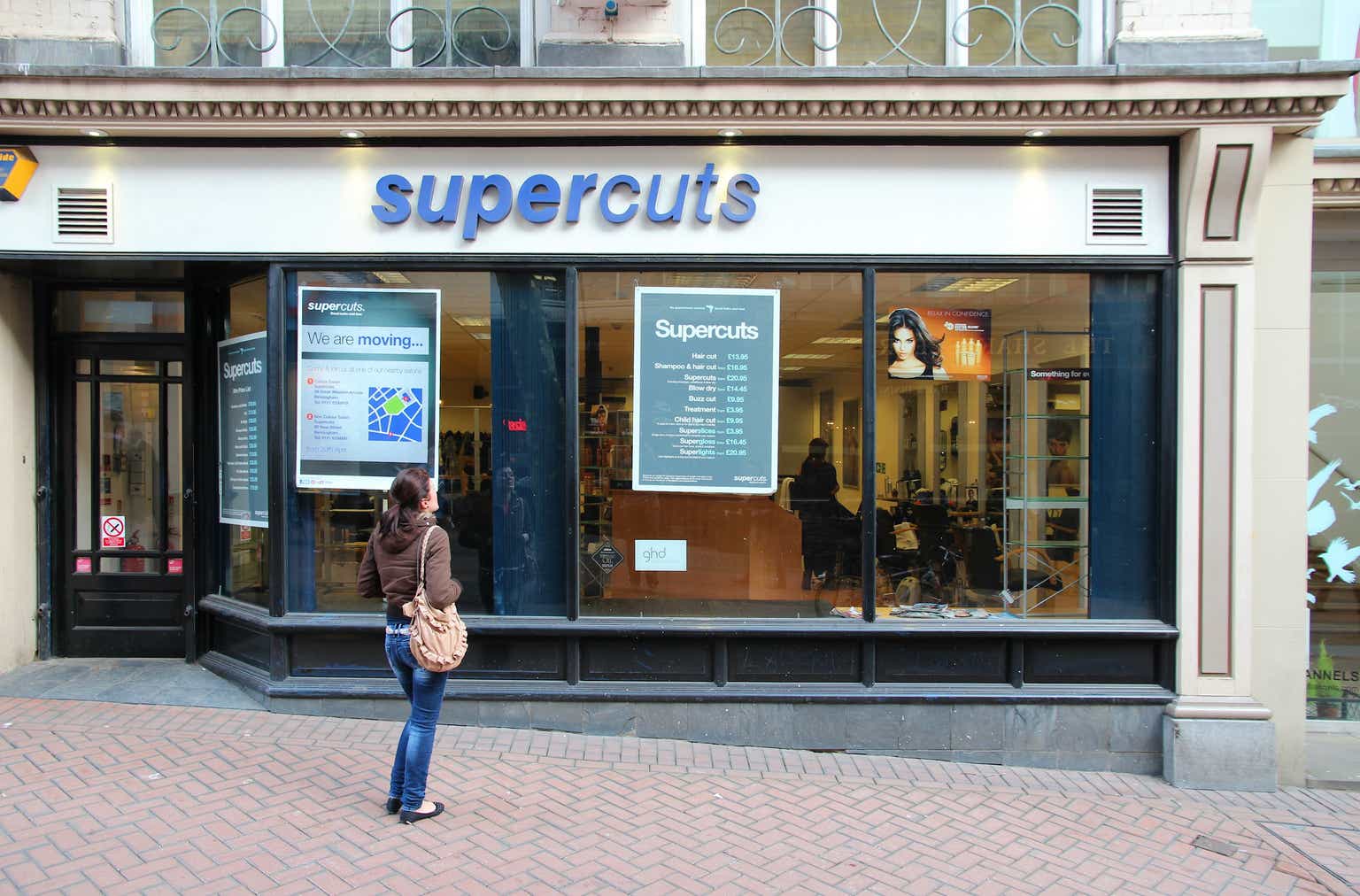
Regis Corporation (RGS) is characterized as a structural turnaround opportunity involving franchise rationalization—the strategic exit from underperforming salon locations to improve overall profitability. This operational restructuring reflects a disciplined capital allocation approach typical of mature franchise businesses seeking margin expansion through portfolio optimization.
The valuation thesis appears anchored on a significant disconnect between current market pricing and estimated intrinsic value of $86.85, suggesting the market has not fully repriced the earnings uplift potential from streamlined operations. This type of valuation arbitrage relies on near-term execution risk materialization and analyst conviction diverging from consensus estimates.
The turnaround narrative centers on eliminating loss-making or marginally profitable units, which should compress the cost base while improving return on capital deployed. For a Consumer Cyclical franchise operator, unit economics matter critically—exiting dead weight reduces drag on consolidated margins and may unlock strategic optionality in real estate or licensing.
Sector implication: This is a micro-cap idiosyncratic play with low correlation to broad equity indices. Success hinges on flawless execution of store closures and retention of high-quality franchise partners, creating binary risk dynamics. Sentiment is contrarian but not market-moving at the institutional level.