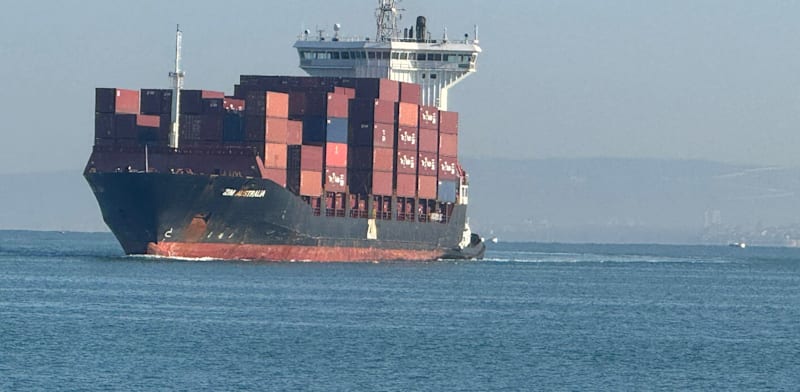
ZIM, a major container shipping operator, faces political headwinds as Israel's Defense Minister opposes a proposed sale on national security grounds. This governmental resistance signals structural deal risk, introducing uncertainty around transaction completion and timing—a material concern for equity holders awaiting exit or strategic repositioning.
The defense ministry's objection centers on preservation of Israel's security interests, suggesting the acquirer or deal structure fails to meet operational or strategic safeguards demanded by state actors. Such political vetoes, particularly in strategically sensitive sectors like maritime logistics and ports, can derail transactions or force renegotiation of terms, prolonging uncertainty and depressing near-term valuations.
ZIM's shipping exposure positions it at the intersection of infrastructure, national security policy, and geopolitical risk. Israeli regulatory approval represents a key closing condition; opposition from defense establishment elevates execution risk materially. Investors should monitor whether other ministerial bodies weigh in, signaling broader consensus or division within government.
Sector implication: Industrials and transportation equities sensitive to geopolitical deal disruption may underperform. The incident underscores how state-level security reviews can override market valuations and M&A timelines, particularly for companies with critical infrastructure or military-adjacent operations.