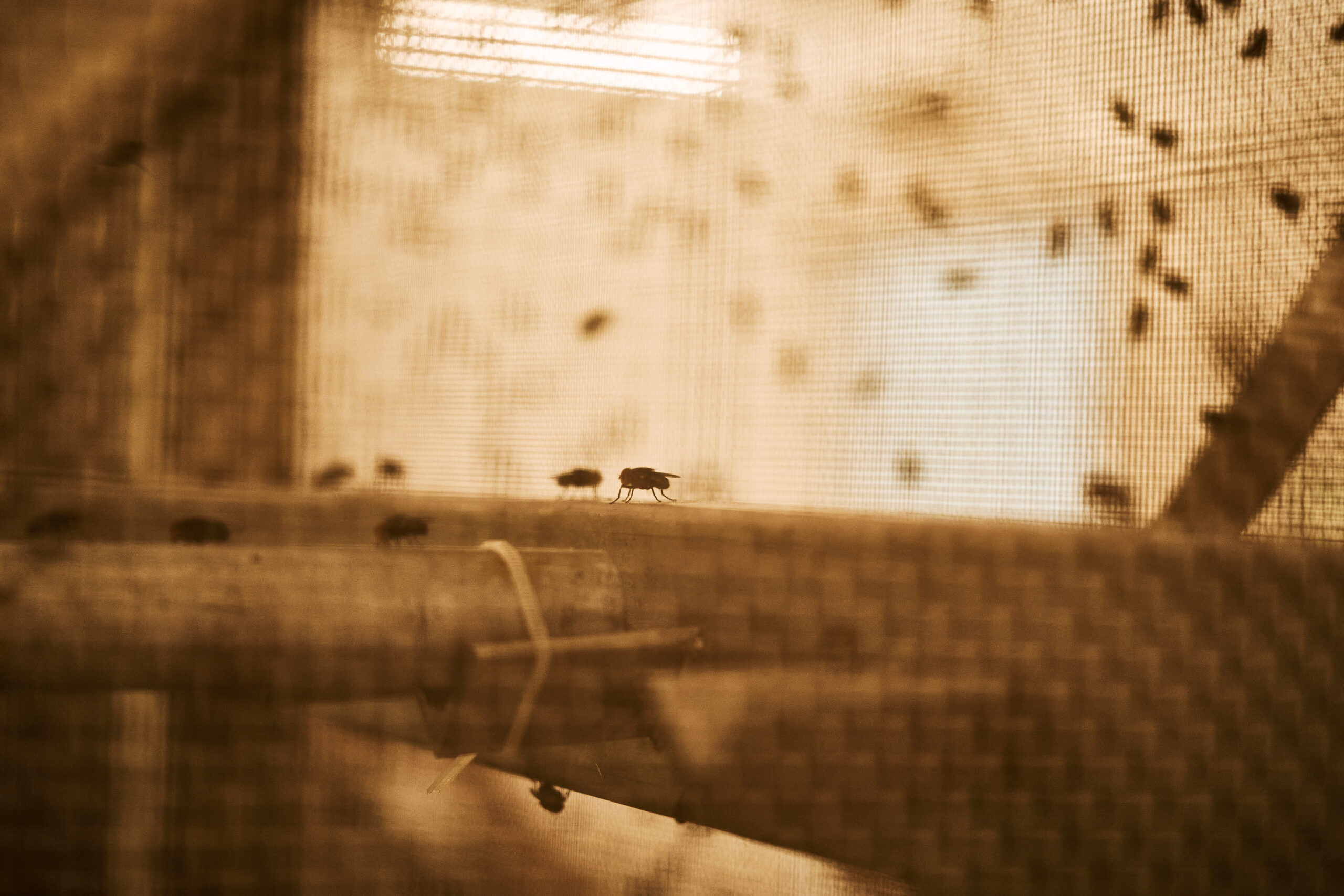
The emergence of New World screwworm in Texas represents an agricultural and veterinary health crisis with downstream implications for animal health companies. ZTS (Zoetis), a leading animal health pharmaceutical manufacturer, faces potential demand tailwinds from treatment and prevention protocols, though the near-term impact remains uncertain given the nascent stage of the outbreak.
Screwworm infestations directly threaten cattle herd productivity and require veterinary intervention, diagnostics, and pharmaceutical management. The uncertainty around transmission vectors and containment effectiveness creates volatility in disease-control product demand. ZTS exposure to bovine therapeutics positions the company as a potential beneficiary, but margin pressures from emergency response pricing and supply chain demands may offset gains.
The broader cattle industry faces production headwinds and cost inflation if the outbreak spreads beyond Texas. Insurance and indemnification claims may increase, affecting agricultural insurers and livestock producers' profitability. The mystery surrounding the pathogen's entry into US territory suggests regulatory and biosecurity gaps that could trigger policy responses.
Sector implication: Health Care (animal health) and Industrials (livestock operations) face medium-term pressure. ZTS may see volatile trading as the outbreak trajectory becomes clearer. The news carries low systemic market correlation but poses material risk to agricultural supply chains and veterinary pharmaceutical demand cycles.