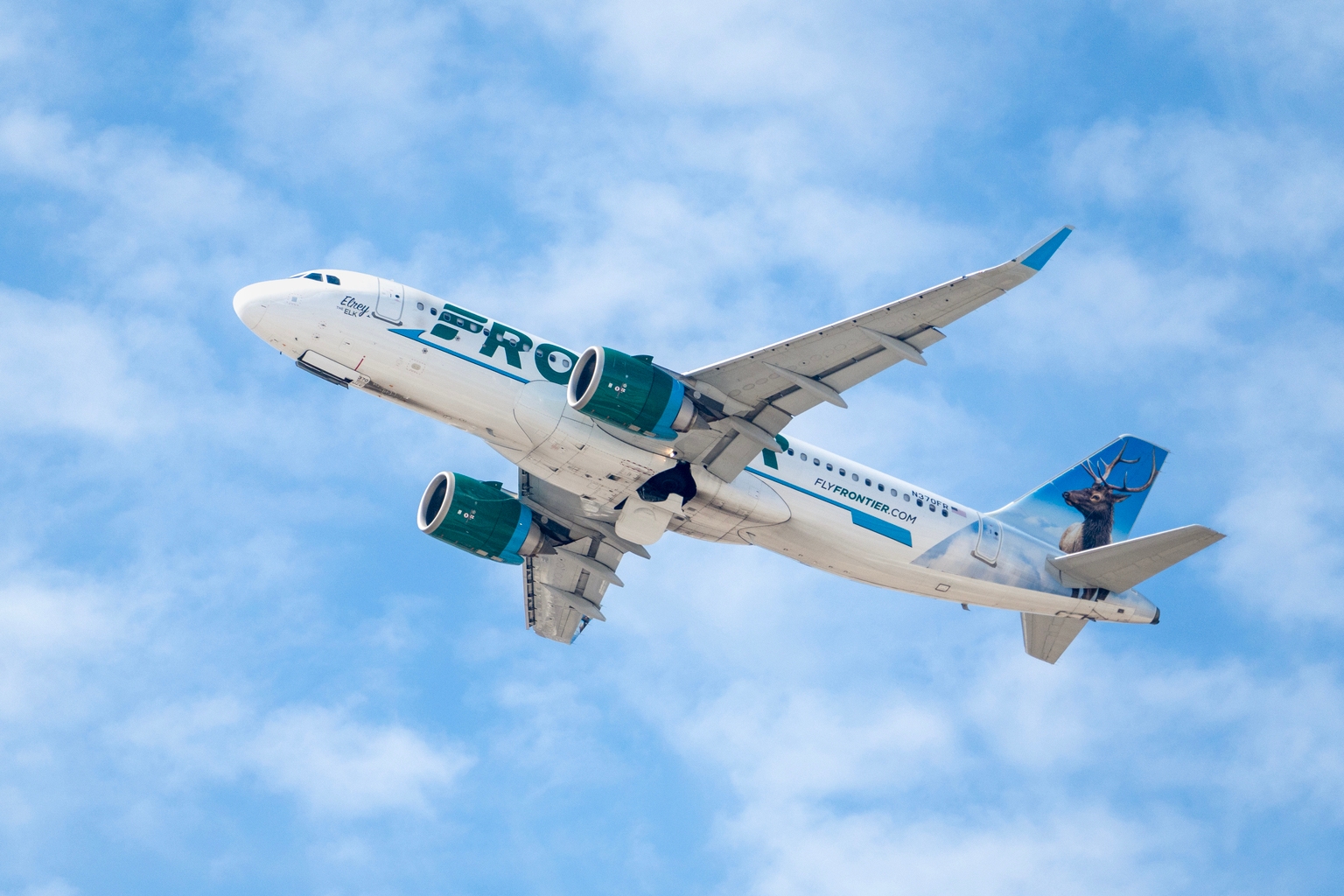
Frontier Airlines (ULCC) is undergoing a strategic repositioning that departs from its traditional ultra-low-cost carrier model. The airline is deliberately pivoting toward loyalty program monetization and higher-yield customer segments, signaling management confidence in unit revenue expansion beyond pure capacity expansion.
This transformation reflects a broader industry trend of legacy and low-cost carriers attempting to capture ancillary revenue streams and premium customer value. The measured capacity growth approach suggests disciplined capital allocation rather than aggressive fleet expansion, which historically pressured margins in the airline sector during demand cycles.
The shift toward higher-yield travelers implies potential margin improvement and pricing power, though execution risk remains material. Success depends on ULCC's ability to maintain competitive positioning while upgrading its customer base—a challenging operational transition for carriers traditionally competing on cost alone.
Sector implication: Airlines remain cyclical assets sensitive to macroeconomic conditions and fuel costs, but ULCC's strategic focus on loyalty and yield management could reduce sensitivity to capacity wars, potentially improving long-term valuation multiples if execution succeeds.