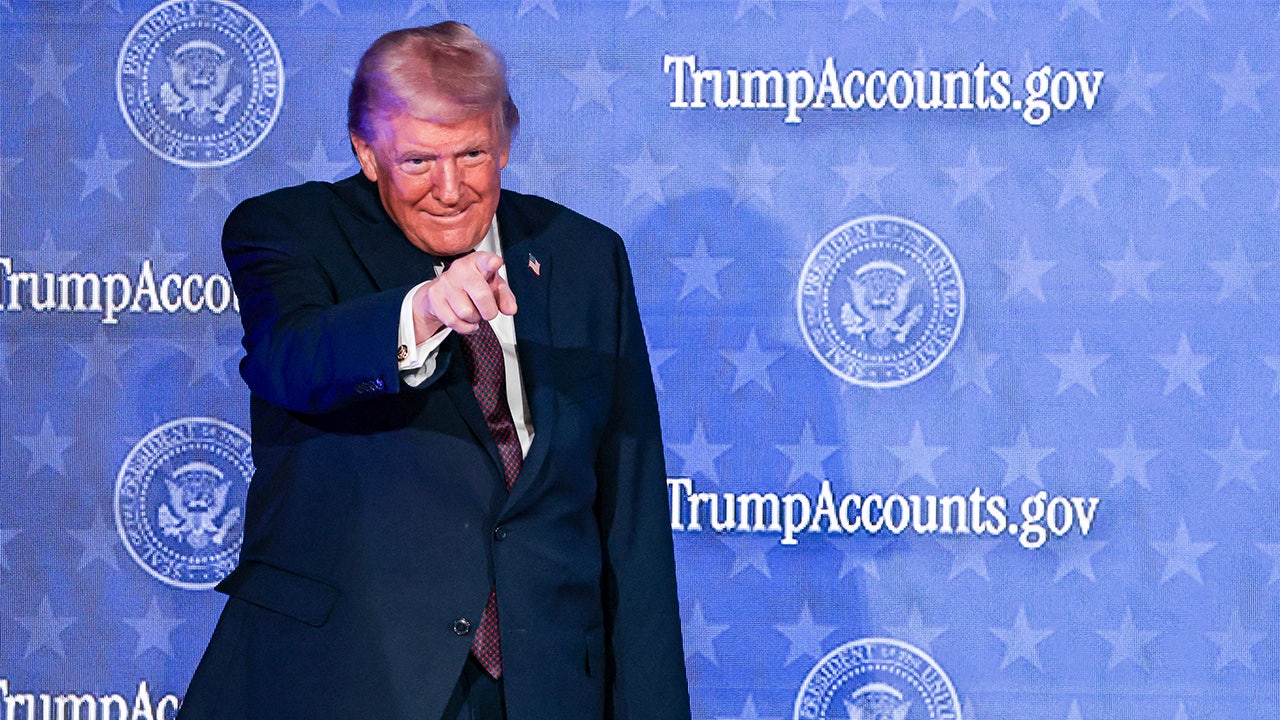
The launch of Trump Accounts represents a retail investment vehicle designed to direct capital flows into broad-based equity index funds. SPLG (State Street SPDR Portfolio S&P 500 ETF) designation as the default investment signals institutional confidence in low-cost passive index exposure and reflects continued consumer preference for simplicity in equity allocation.
Treasury Department plans to expand the fund menu beyond the initial SPLG default suggests a competitive environment among passive fund managers. Additional offerings via IVV, SPTM, and similar vehicles may fragment assets across providers, though the default-first architecture typically captures dominant asset flows during early adoption phases. This structural advantage favors the initial default fund provider through sticky capital placement.
The July 4 launch timing indicates government coordination with market liquidity calendars and suggests retail demand stimulation rather than counter-cyclical or crisis-driven policy. Broader implications include normalization of government-administered investment accounts and potential regulatory validation of passive index strategies as fiduciary-appropriate vehicles for retail capital.
Sector implication: Financial Services benefits modestly through increased asset management fee capture, though passive fund structures compress margins. S&P 500 exposure broadens Technology and Industrials sector influence, while the neutral all-cap positioning offers neither concentrated sector risk nor hedge characteristics. Market correlation remains moderate given retail participation scales and behavioral holding patterns.