South Korea's Kospi plunges 8%, extending a two-day slide. What's unsettling the world's hottest market?
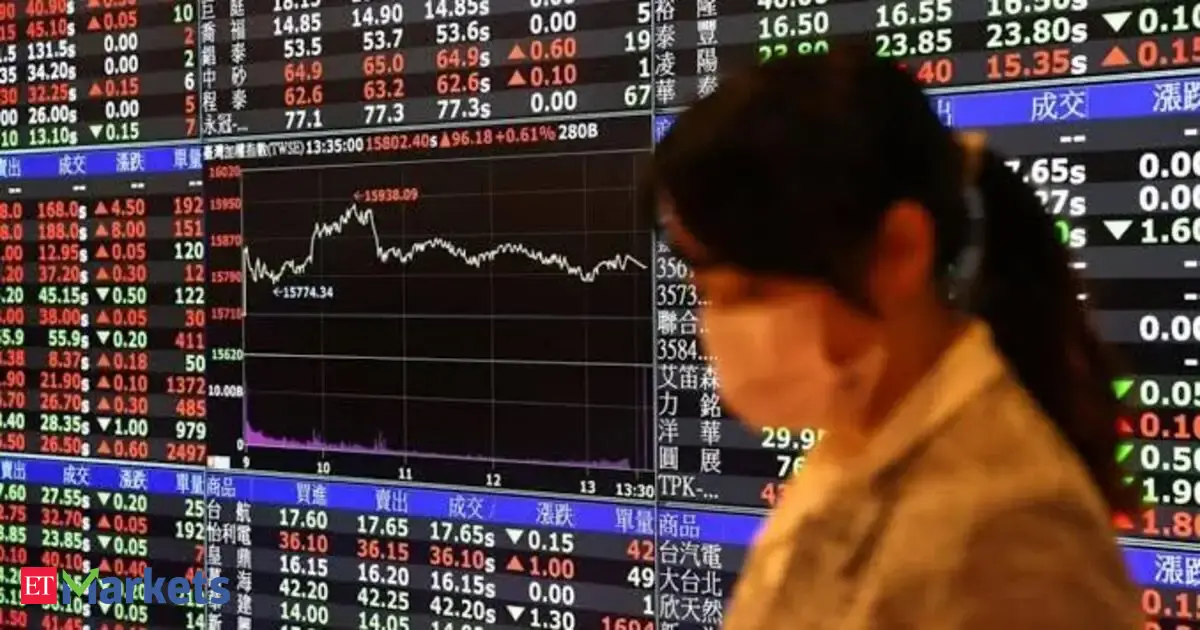
South Korea's KOSPI index has contracted sharply over two trading sessions, erasing approximately 10% in value. This represents a significant correction for a market that has been among the world's strongest performers, largely driven by outsized exposure to artificial intelligence-related equities. The breadth and velocity of the decline signal a potential shift in risk sentiment toward technology and semiconductor exposure globally.
The primary catalyst appears to be Meta Platforms' infrastructure announcements, which market participants interpret as signaling excess AI compute capacity coming online. This concerns investors about potential margin compression in semiconductor and AI-infrastructure plays. Weakness in U.S. technology shares, particularly mega-cap names like Apple, has amplified outflows from Asian tech-heavy indices, creating a contagion effect across semiconductor supply chains.
South Korean chipmakers including SK Hynix and Samsung Electronics bore the brunt, with trading halts triggered by circuit-breaker thresholds—indicating panic-driven selling rather than orderly rebalancing. The magnitude of moves in memory and foundry semiconductor stocks reveals elevated positioning risk and limited liquidity at key support levels, typical of momentum-driven markets during sentiment reversals.
Sector implication: This correction exposes crowded long positioning in AI-adjacent technology and semiconductor sectors. The decline suggests investors are reassessing whether 2025's AI capex cycle justifies current valuations, creating potential spillover into broader technology and basic materials holdings globally. The KOSPI's vulnerability underscores how emerging-market tech concentration amplifies volatility during U.S. tech sentiment shifts.