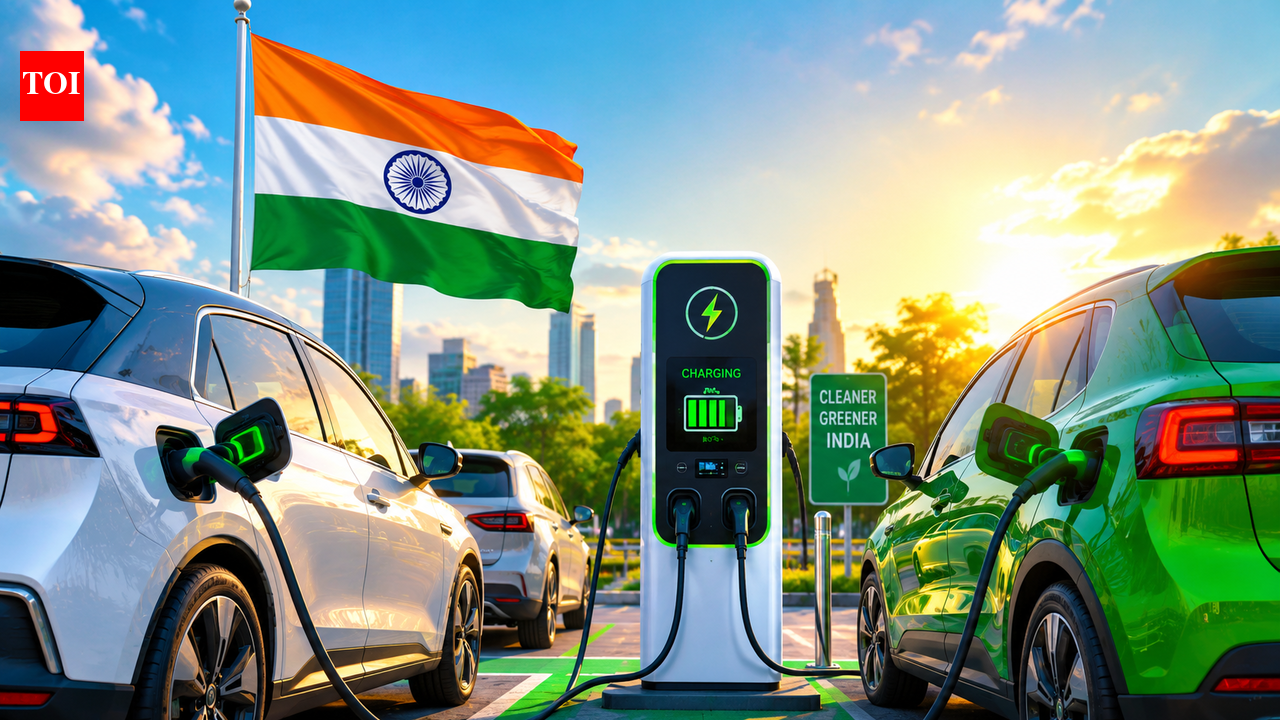
India's State Bank of India released analysis suggesting the country's electric vehicle adoption trajectory could materially reduce crude oil import dependency by 2030, with potential savings estimated at Rs 1 lakh crore (approximately $12 billion USD). This represents a structural shift in India's energy consumption patterns, driven by policy incentives and manufacturing investments in the EV sector.
The analysis underscores a macro-level benefit for India's current account balance and foreign exchange reserves, reducing vulnerability to oil price volatility. However, the headline masks the transition risk embedded in traditional energy infrastructure and refineries dependent on petrol consumption. The 2030 timeline is sufficiently distant that policy implementation remains subject to execution risk and technology adoption uncertainty.
For SBKFF (State Bank of India's ADR), the report generates modest reputational benefit as a thought leader on India's energy transition, though the institutional equity thesis remains anchored to broader Indian banking fundamentals rather than this singular forecast. The EV-focused analysis aligns with broader ESG narratives gaining traction in emerging market equity flows.
Sector implication: Energy sector exposure in India faces structural headwinds from demand destruction, while industrial and materials suppliers serving EV manufacturing and battery ecosystems experience tailwinds. The news carries low correlation to US equity markets, with primary relevance to India-focused and emerging market portfolios.