Has RBI floating bond rate of 8.05% been changed? Why it is still one of the best fixed income investments
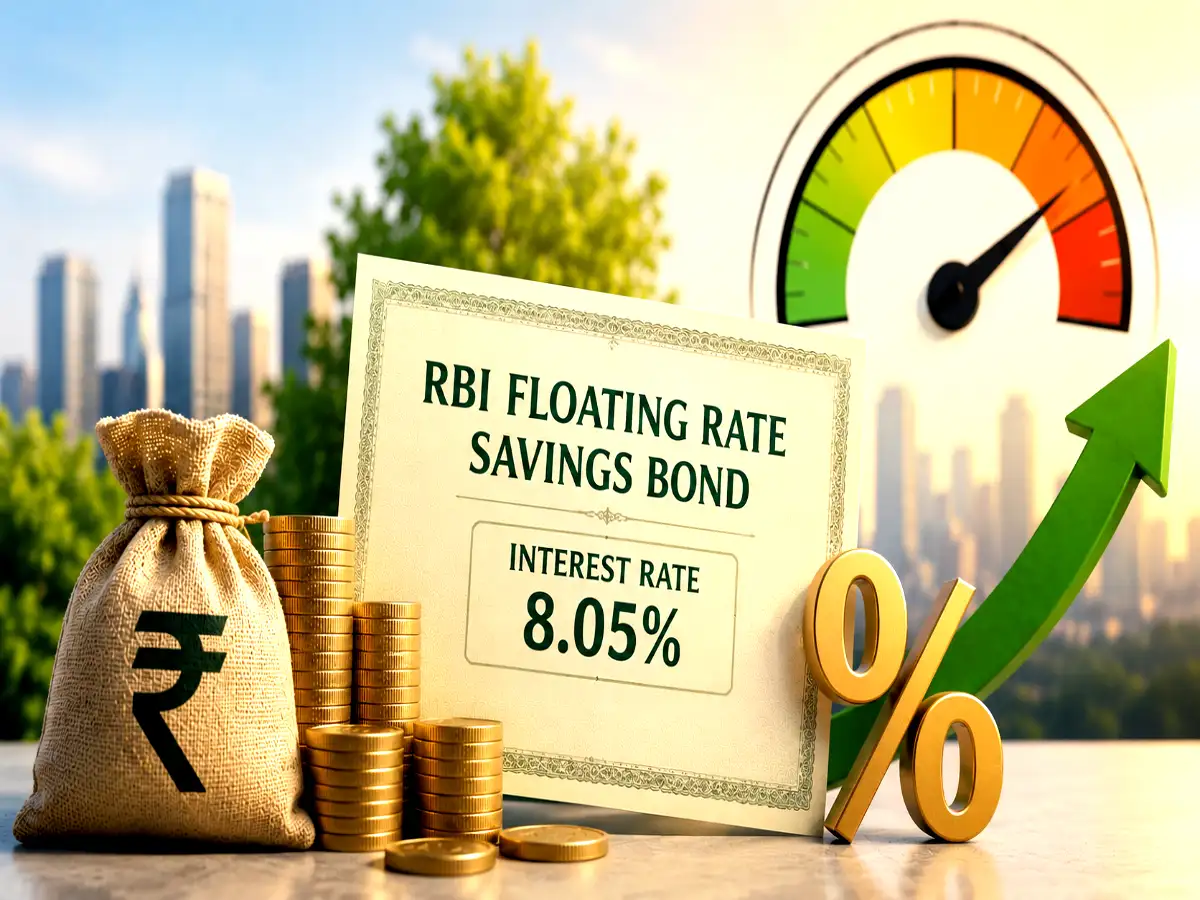
The Reserve Bank of India has maintained its Floating Rate Savings Bond at 8.05%, a decision that reflects stability in India's monetary policy stance on small savings instruments. This holds particular significance as it maintains the differential premium over the National Savings Certificate, signaling the RBI's continued emphasis on competitive yield positioning within the domestic savings ecosystem.
The 8.05% rate persists as an attractive option relative to traditional bank fixed deposits in the Indian market, where competition for retail deposits remains elevated. The 0.35% spread over NSC rates provides a structural incentive for savers to allocate capital toward floating instruments, which theoretically benefit from future rate increases should monetary conditions shift. This positioning suggests the RBI views the current rate environment as sustainable.
From a broader portfolio allocation perspective, maintenance of these rates reflects modest inflationary pressures in India and the central bank's confidence in the current policy transmission mechanism. The decision to hold rates steady—rather than adjust them—indicates no urgency to either stimulate or contract small savings demand at present, suggesting measured economic conditions.
Sector implication: This news carries minimal relevance to US equity markets and broad S&P 500 correlation, given its exclusive focus on Indian domestic savings instruments. While it may marginally support financial services sentiment in emerging markets, the localized nature of RBI policy decisions and their application to government-backed small savings schemes limits spillover effects to international equity indices or currency markets.