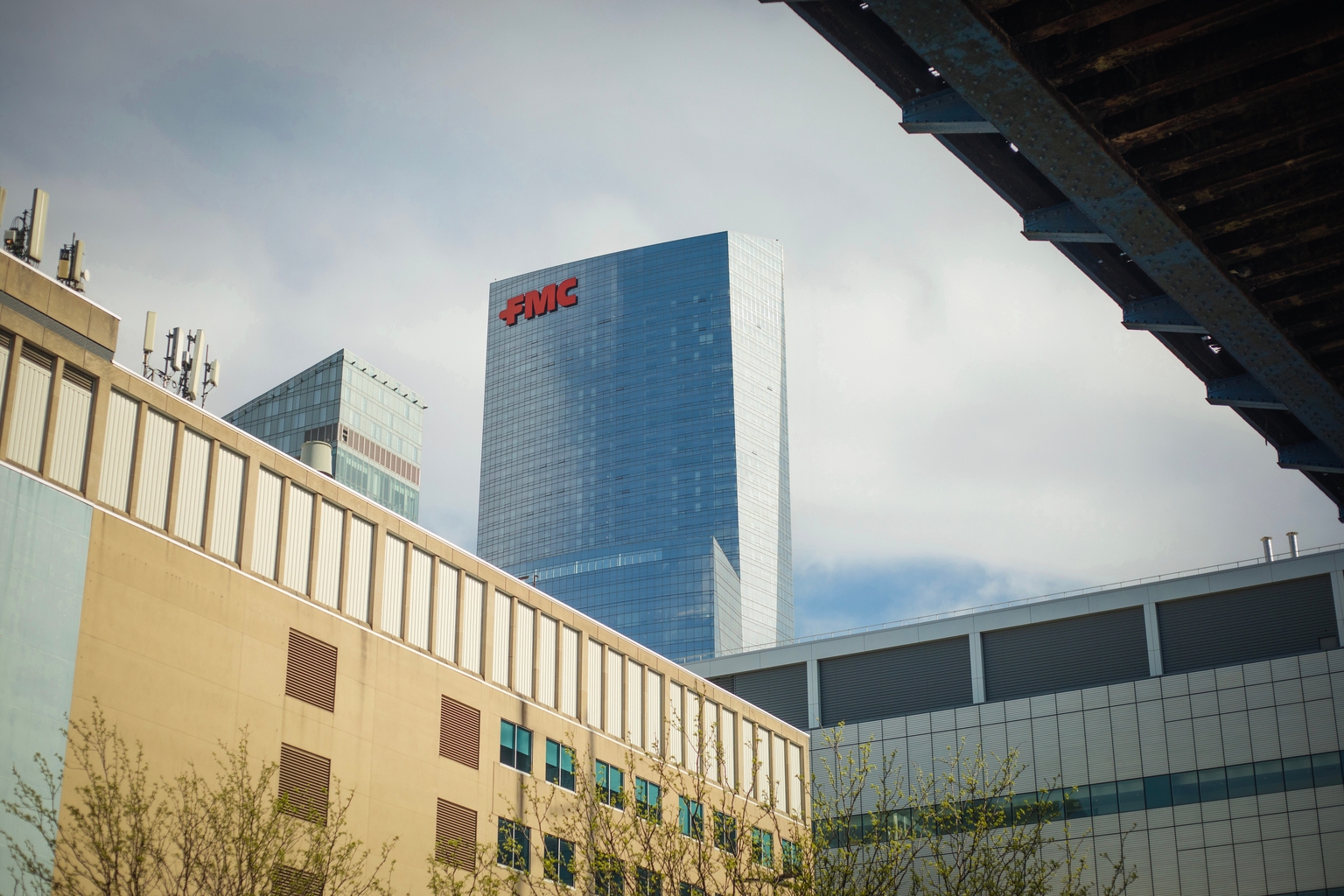
FMC Corporation has executed a partial debt reduction program, but fundamental concerns persist regarding the company's capital structure and operational cash generation. Despite the deleveraging effort, leverage ratios remain elevated at over 4x EBITDA, which continues to constrain financial flexibility and indicates incomplete debt resolution relative to normalized industrial benchmarks.
The negative free cash flow situation underscores operational headwinds that debt reduction alone cannot address. FMC's inability to generate positive cash flow means debt service capacity depends on asset sales or refinancing rather than organic earnings power, a structural weakness that ratings agencies and creditors scrutinize closely. This operational deficit raises refinancing risk in a higher rate environment.
The partial nature of the debt solution signals management recognized urgency but lacked resources for comprehensive deleveraging. Shareholders face dilution risk from future capital raises, while bondholders assess whether remaining leverage is sustainable. The speculative risk premium embedded in FMC reflects these unresolved uncertainties.
Sector implication: Basic Materials companies with overleveraged balance sheets and negative cash conversion face structural headwinds independent of commodity cycles. This story illustrates how financial fragility constrains operational flexibility and increases vulnerability to economic downturns, relevant to the broader industrials complex.