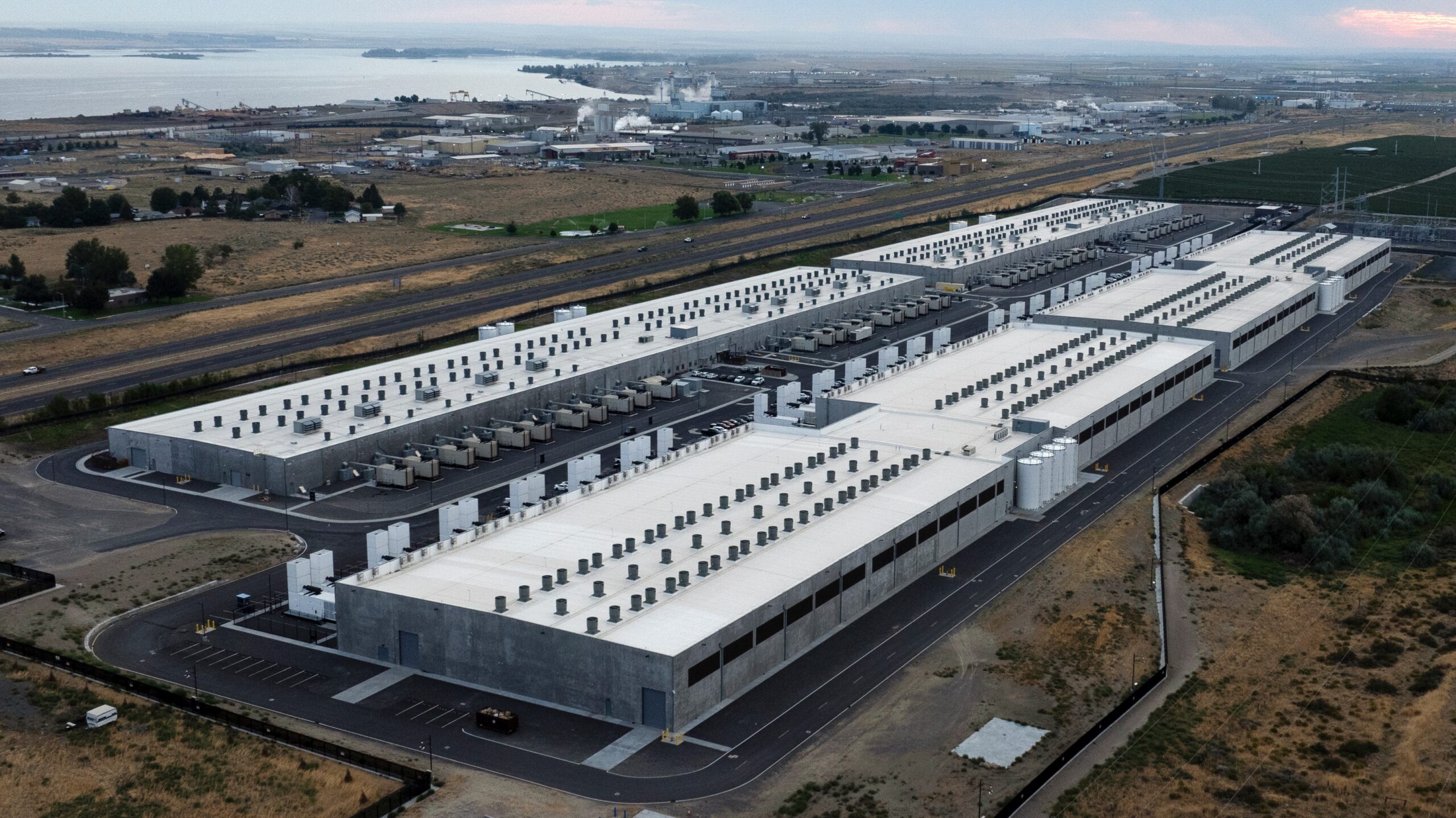
Amazon and Alphabet face mounting carbon emissions pressure as their AI infrastructure expansion accelerates in 2025, creating a structural tension between growth ambitions and environmental sustainability commitments. The spike reflects the energy-intensive nature of large language model training and inference operations, which hyperscalers have underestimated in their decarbonization timelines.
This dynamic introduces regulatory and reputational risk to Big Tech valuations, particularly as ESG-focused institutional investors reassess holdings and policymakers tighten emissions standards on data center operations. The disclosure may trigger analyst downgrades on climate risk assumptions embedded in long-term growth models for AMZN and GOOGL.
The core tension is unresolved: achieving AI leadership while meeting 2030 net-zero targets appears mathematically incompatible under current technology. Companies may need to choose between infrastructure scaling, carbon offsets (less credible), or renewable energy procurement at scale—all of which carry cost and supply-chain complexity.
Sector implication: Technology sector faces structural margin pressure if carbon compliance costs rise, potentially benefiting renewable energy and efficiency vendors while creating cyclical headwinds for cloud/AI-dependent revenue streams through 2026.