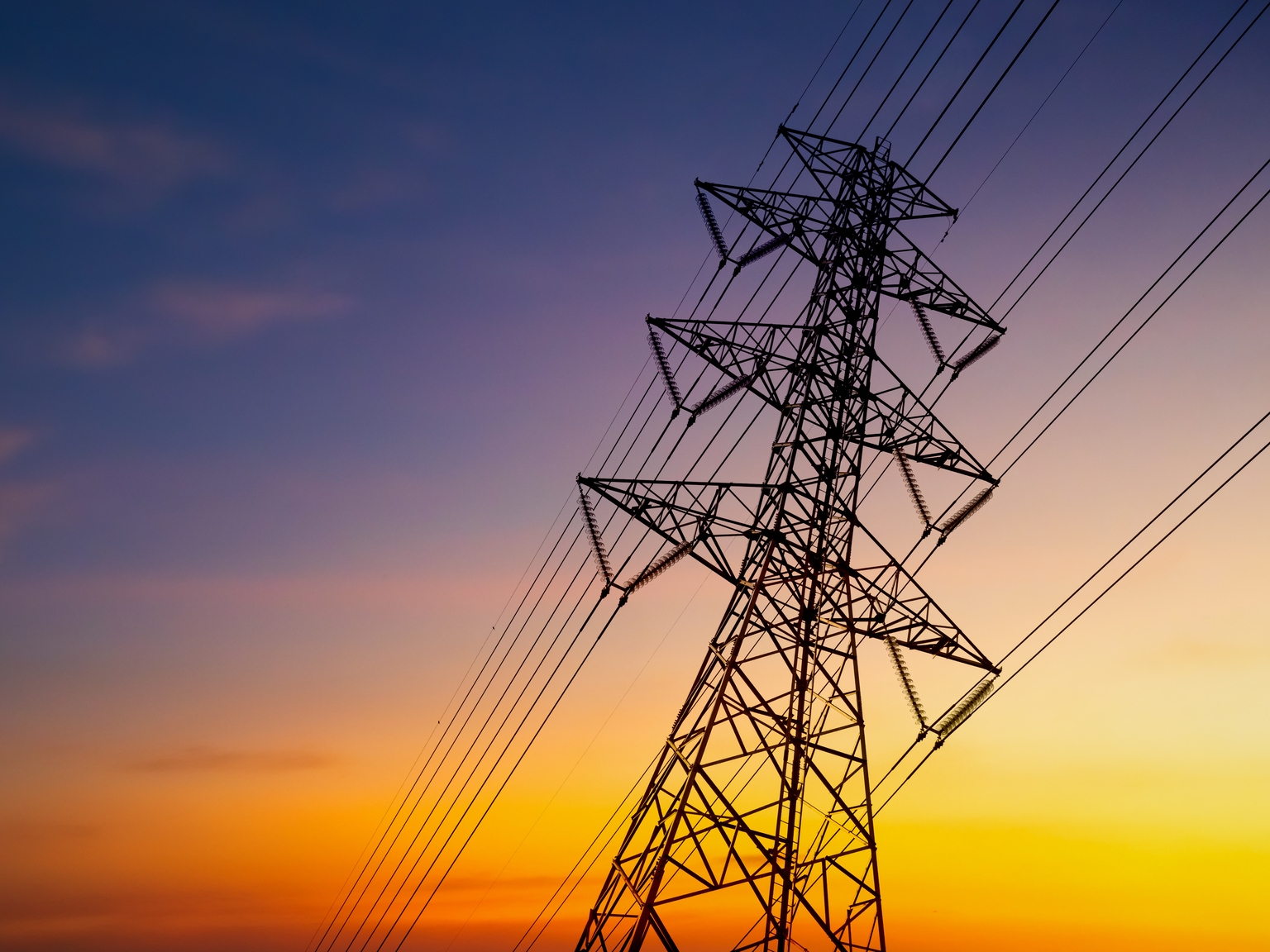
Record heat waves are placing acute stress on power grid infrastructure across North America and Europe, creating both operational and investment implications. Utilities like AEP and EXC face near-term strain on distribution capacity, but this trend validates long-term capital expenditure cases for grid modernization and resilience projects. Demand spikes from cooling loads drive higher utilization rates and margin expansion in the near term.
European trade policy shifts, including import fees on low-cost goods, signal protectionist measures that may elevate input costs for industrial operators. Industrials and Materials sectors face mixed signals—domestic producers gain pricing power, but supply-chain friction increases execution risk. This creates a selective environment favoring domestically integrated producers over import-exposed competitors.
FedEx's $1.4B logistics asset sale reflects portfolio optimization within the transportation sector, consistent with the company's efficiency-focused strategy. The divestiture itself is non-transformative but signals management's capital allocation discipline in a normalization environment. Limited broad-market impact expected from this transaction.
Sector implication: Utilities emerge as beneficiaries of infrastructure investment themes driven by climate adaptation, while trade barriers reshape competitive dynamics in Industrials. The convergence of supply-side constraints (power) and demand-side protectionism creates a stagflation-adjacent risk backdrop favoring defensive and essential-service equities.